Why First Impressions Matter with Research Supervisors
Meeting your potential research supervisor can feel intimidating. I’ve been there – sweaty palms and racing thoughts about what to say!
Your introduction sets the tone for your entire working relationship. A good first impression shows you’re serious, prepared, and professional.
Remember, supervisors want enthusiastic students who are genuinely interested in their research. They’re looking for someone they can work with for years.
I’ve helped dozens of students make great first connections with supervisors. The right approach can open doors to funding, opportunities, and valuable mentorship.
Researching Your Potential Supervisor Before Contact
Don’t skip this crucial step! I once emailed a professor about marine biology when their expertise was actually in freshwater ecosystems – embarrassing mistake.
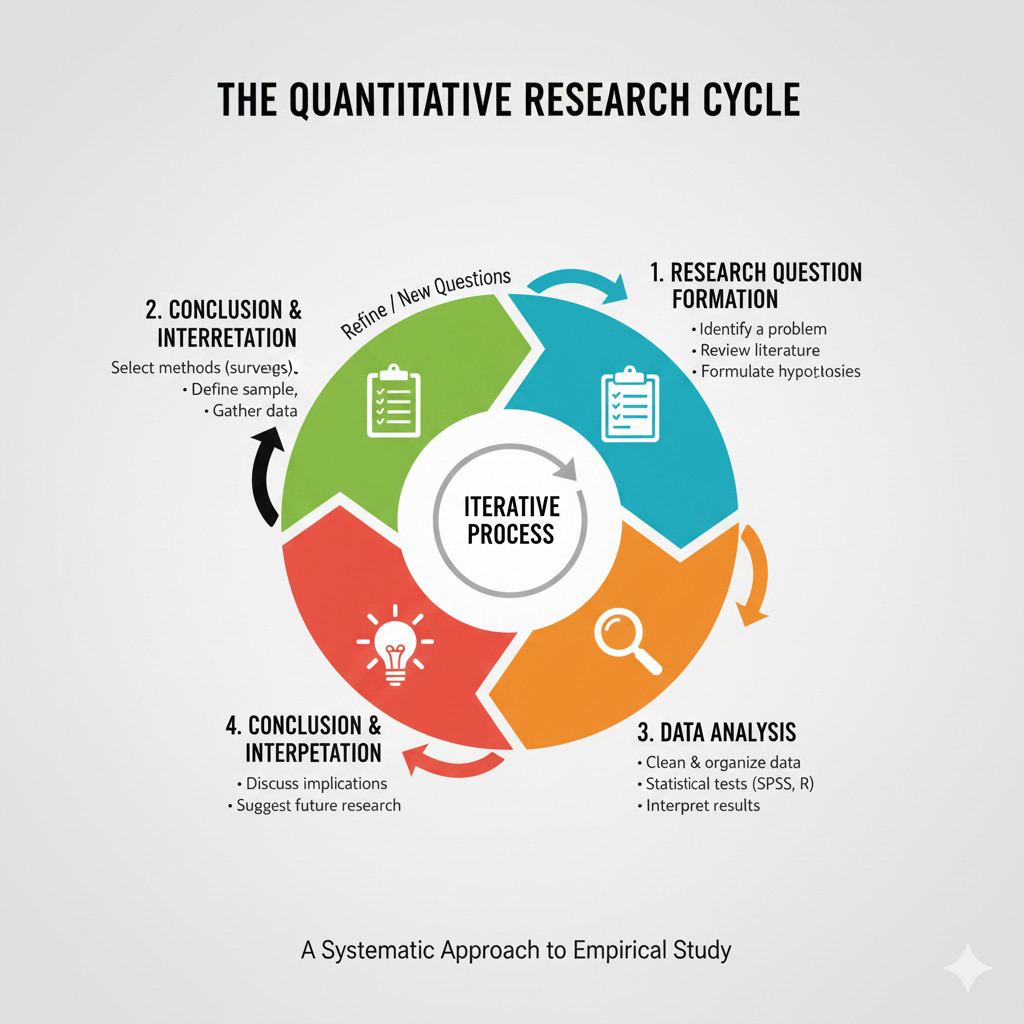
Read their recent publications, not just abstracts. Look for research themes, methodologies, and future directions they mention.
Check their university profile and professional social media. What projects are they currently working on? Have they mentioned taking new students?
Make notes about specific aspects of their work that connect to your interests. This shows you’ve done your homework and aren’t sending generic emails.
Pro tip: Look up their former students to understand their supervision style and research outcomes.
Crafting the Perfect First Email
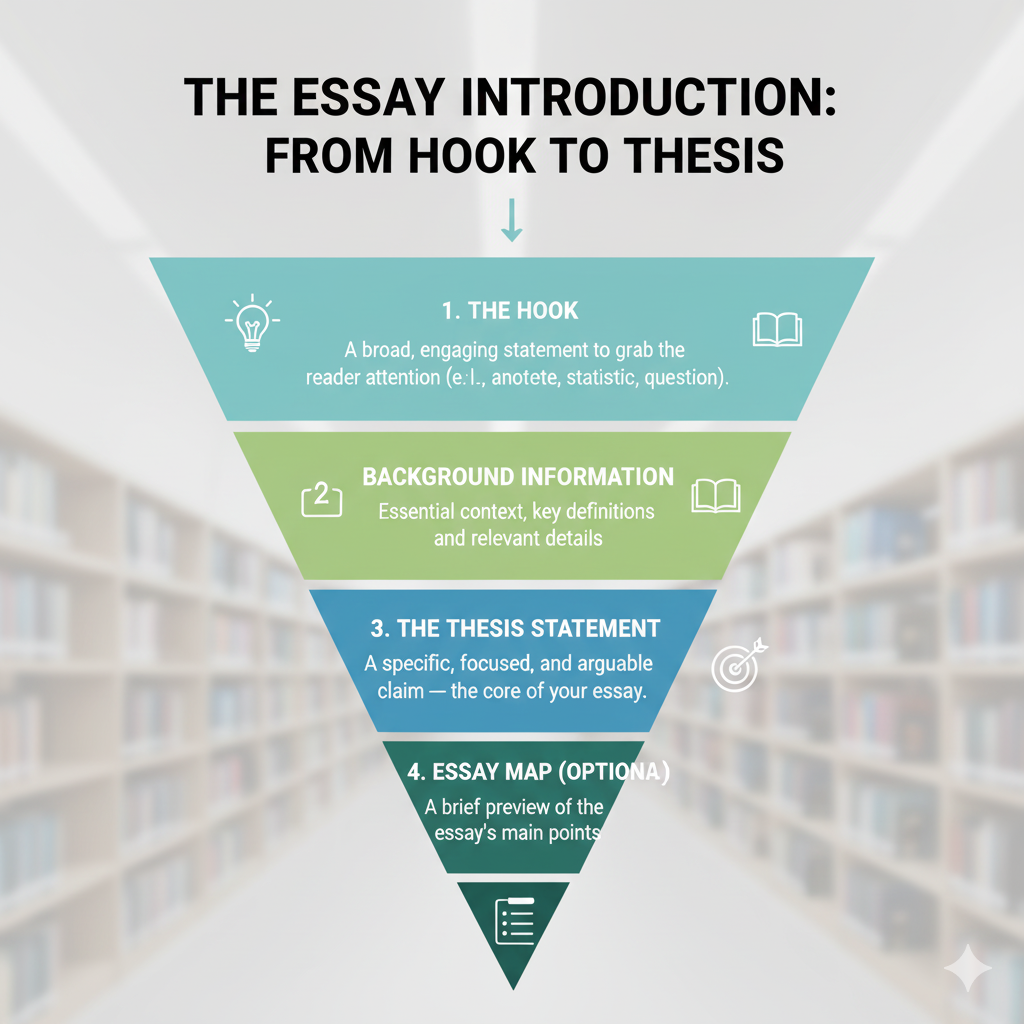
Your email subject line is crucial. Use clear, specific language like “Prospective PhD Student – [Your Name] – [Research Area].”
Keep your email concise – busy supervisors appreciate brevity. Aim for 250-300 words maximum.
Start with a formal greeting using their correct title. “Dear Professor Smith” works better than “Hey Dr. Smith.”
Introduce yourself in one sentence: your name, current level, and institution. Then immediately connect to their research.
Be specific about why you’re contacting them. Are you seeking supervision for a PhD? Asking about potential projects? Clarity helps.
Always proofread! Typos suggest carelessness – not a quality supervisors look for in research students.
Your Personal Introduction: What to Include
Share your academic background briefly. Mention your degree, major, and any honors or relevant coursework.
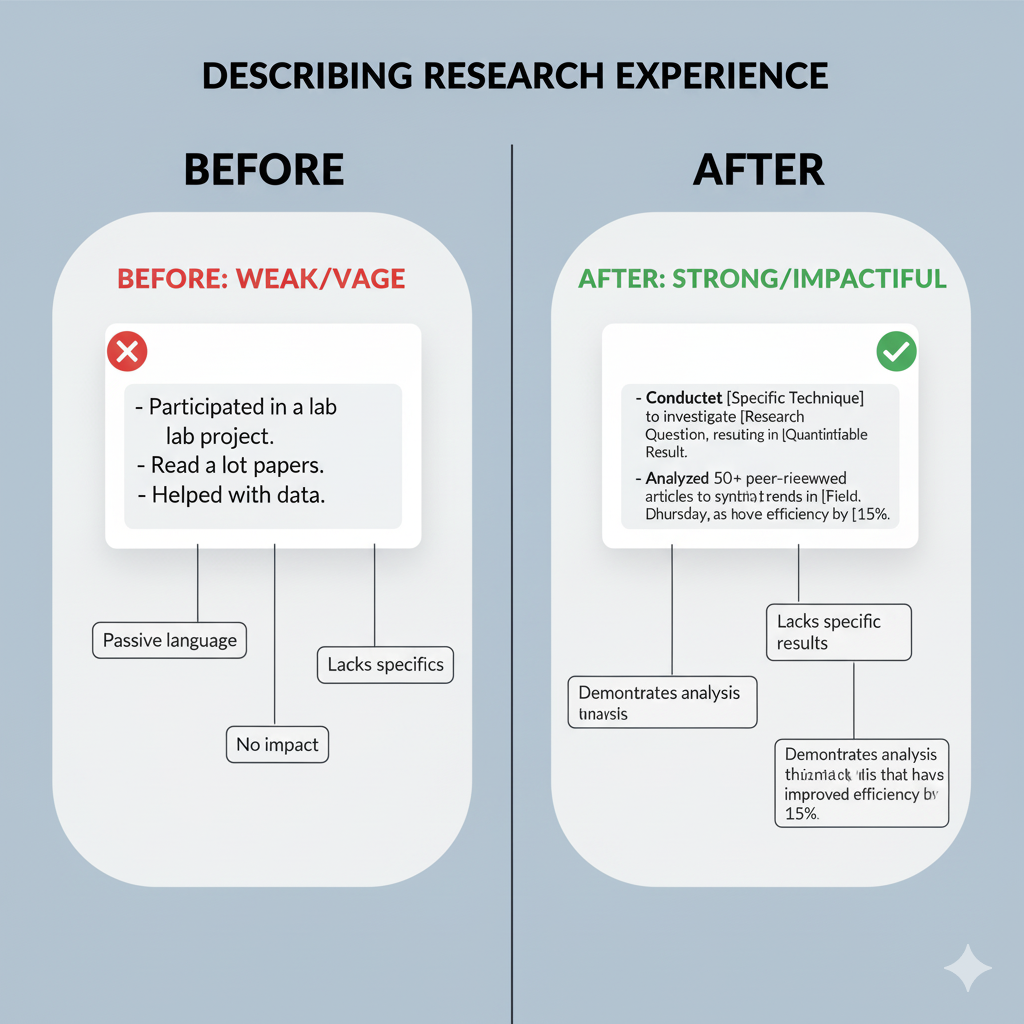
Highlight research experience that relates to their work. Did you complete a thesis? Work in a lab? Present at a conference?
Connect your interests specifically to their research. Say “I’m particularly interested in your work on quantum computing applications in cryptography” rather than “I like computer science.”
Mention any relevant skills you bring – programming languages, lab techniques, statistical methods, or language proficiencies.
Be authentic about your motivation. Why this research area? Why this supervisor? Personal connections to the research topic can be memorable.
Asking the Right Questions in Your First Contact
Questions show engagement and serious interest. But choose wisely – they reflect your preparation and thinking.
Ask about current research priorities or upcoming projects. This shows forward-thinking and helps you understand potential opportunities.
Inquire about their supervision style. Do they prefer weekly meetings or monthly check-ins? Hands-on guidance or independent work?
Ask about funding possibilities if appropriate. Many supervisors appreciate directness about practical matters.
Avoid questions easily answered on their website or publications. This wastes their time and suggests laziness.
Remember: questions should demonstrate your genuine interest in working with them specifically.
The First Meeting: Making a Strong In-Person Impression
Dress professionally but comfortably. University settings vary, but neat and clean is always appropriate.
Arrive 5-10 minutes early. Rushing in late creates a poor first impression.
Bring a printed copy of your CV and any relevant materials. Being prepared shows professionalism.
Prepare a 2-minute summary of your background and interests. Practice it until it feels natural, not rehearsed.
Listen actively. The meeting isn’t just about showcasing yourself – it’s about learning if this supervisor is right for you.
Take brief notes during your meeting. This shows engagement and helps you remember important points.
Communication Styles: Formal vs. Casual Approaches
Different disciplines and countries have varying expectations for formality. Engineering might be more casual than law, for instance.
Start more formal than you think necessary. You can always relax your tone later, but it’s harder to become more formal after starting casually.
Watch for cues from the supervisor. Do they sign emails with their first name? Do they use humor? Match their style appropriately.
International students should be especially aware of cultural differences. What’s respectful in one culture might seem distant in another.
Remember that regardless of style, clarity and professionalism always matter.
Highlighting Your Research Experience Effectively
Quality trumps quantity. One in-depth project shows more than multiple surface-level experiences.
Use concrete examples and metrics when possible. “I analyzed 500 tissue samples using confocal microscopy” is better than “I have lab experience.”
Connect past experience to future goals. How does your previous work prepare you for this potential research direction?
Be honest about your skill level. Claiming expertise you don’t have will quickly become apparent.
If you lack traditional research experience, highlight transferable skills from work, volunteering, or coursework.
Navigating Cultural Differences in Academic Settings
Academic cultures vary widely between countries and even institutions. What works in the US might not work in Germany or Japan.
Research the typical supervisor-student relationship in your target country. Some cultures expect more deference, others more independence.
International students should be direct about language abilities. If English isn’t your first language, acknowledge it but emphasize your commitment to communication.
Ask about expectations clearly. Different cultures have different unspoken rules about meeting frequency, progress reports, and authorship.
Seek advice from current students from your background who work with this supervisor or department.
Following Up After Initial Contact
Wait at least one week before following up on unanswered emails. Professors are busy, and patience shows professionalism.
Keep follow-up emails brief and reference your previous message. “I’m following up on my email from April 15th regarding potential PhD supervision.”
If you’ve had a meeting, send a thank-you email within 24 hours. Mention specific points from your conversation to show engagement.
Create a system to track your outreach. When contacting multiple potential supervisors, staying organized prevents embarrassing mix-ups.
Don’t take rejection personally. Many factors influence a supervisor’s ability to take on new students, including funding and current workload.
Building Long-term Professional Relationships
The supervisor-student relationship often extends beyond graduation. Many of my former supervisors became collaborators and mentors.
Show genuine interest in their research beyond your specific project. Read their new publications and ask thoughtful questions.
Respect boundaries while being proactive. Take initiative but recognize when you need guidance.
Be reliable and meet deadlines. Trust is built through consistent performance over time.
Express gratitude for their guidance. A simple “thank you” goes a long way in building goodwill.
Remember that this relationship is a two-way street. Good supervisors learn from their students too!
Conclusion: Making Your Introduction Count
Introducing yourself to a research supervisor is your first step toward academic advancement. With preparation and authenticity, you can make it count.
Remember to research thoroughly, communicate clearly, and show genuine enthusiasm for their work. These simple steps set you apart from most applicants.
The best supervisor-student relationships are built on mutual respect and shared intellectual curiosity. Your introduction is just the beginning of what could be a career-changing partnership.
Have you reached out to a potential supervisor yet? The perfect time to start is now. Your research journey begins with a simple hello!