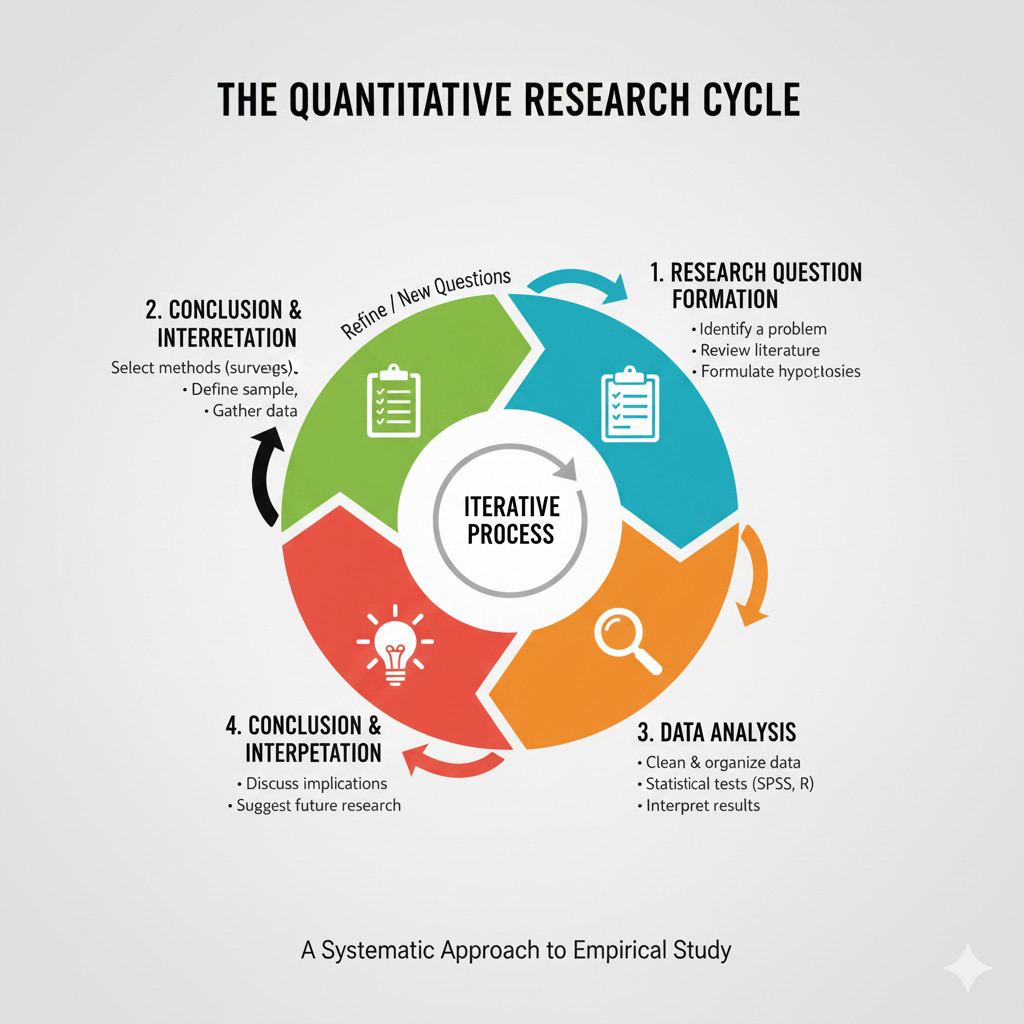
Ever stared at a blank page wondering how to blend multiple sources into one coherent paper? You’re not alone! A synthesis essay is like making a smoothie with different ingredients—the result should be delicious and seamless. Let’s dive into everything you need to know about crafting an A+ synthesis essay.
What is a Synthesis Essay?
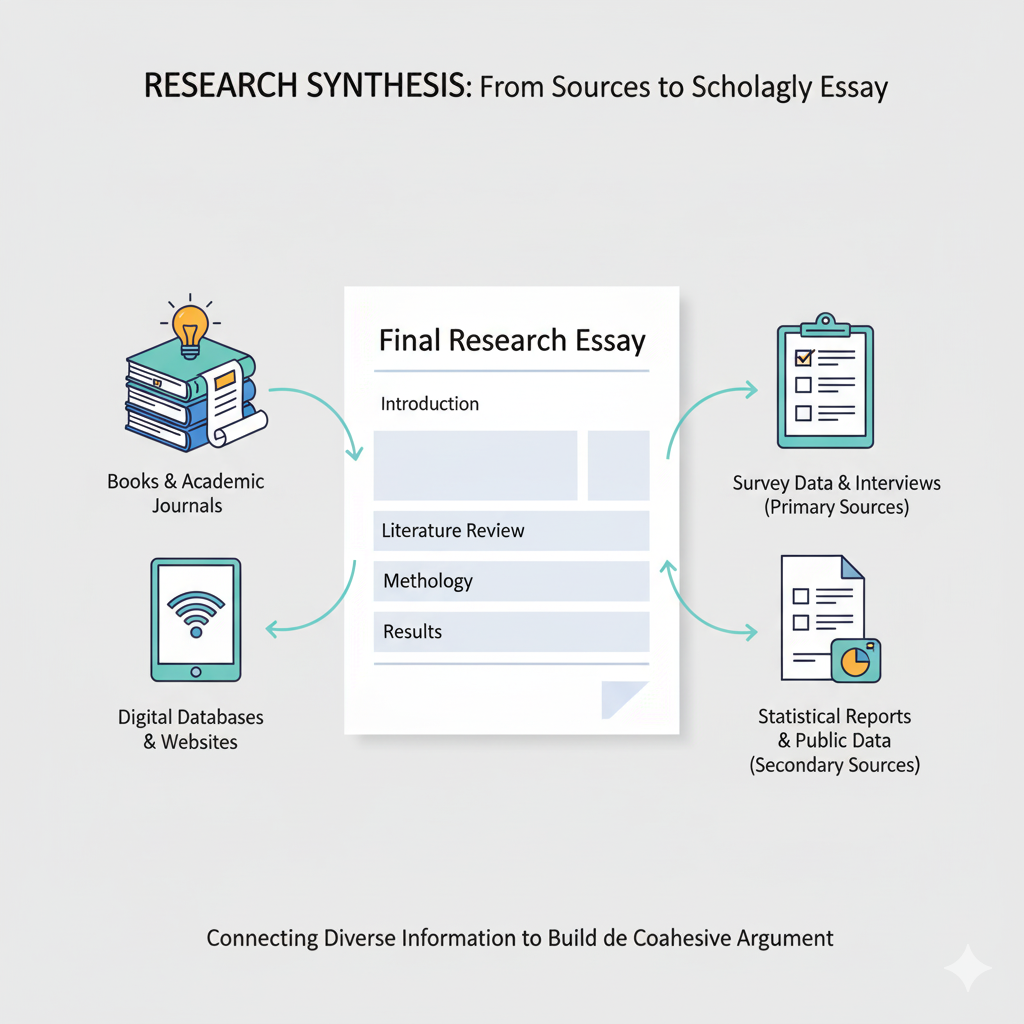
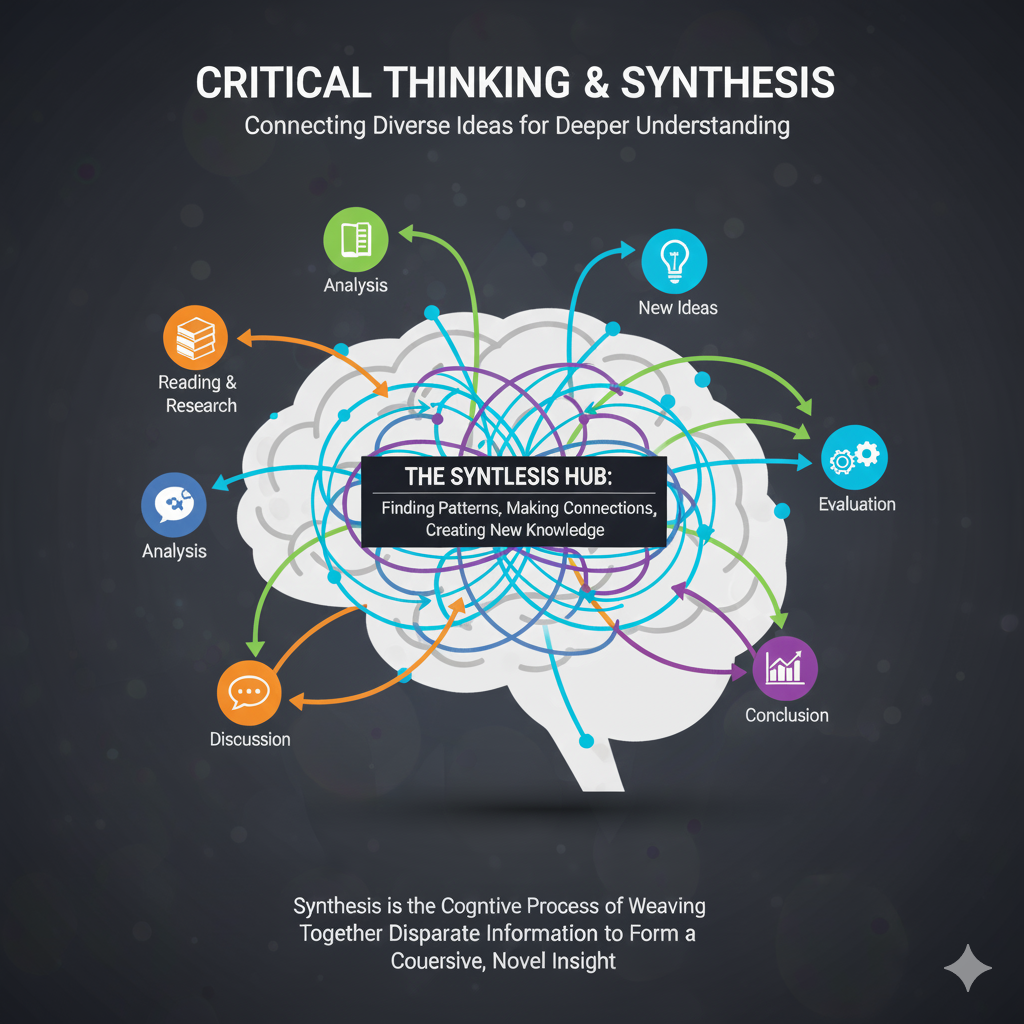
A synthesis essay brings together multiple sources and ideas to form one cohesive view on a theme or topic. Think of yourself as a discussion moderator—you’re putting various experts in conversation with each other.
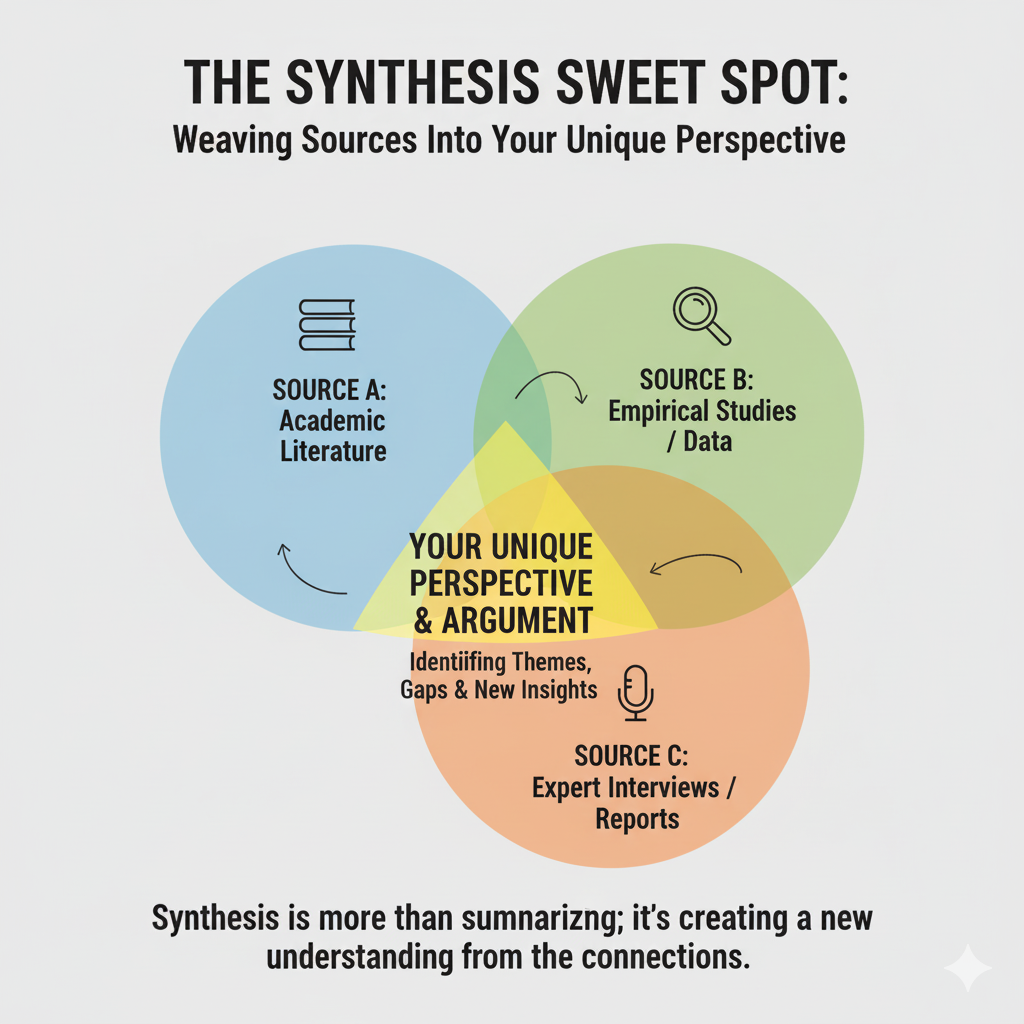
Unlike a summary that just recaps what others have said, synthesis requires you to create new insights by connecting different materials.
The goal isn’t to list information from each source separately. Instead, you weave them together to support your unique perspective.
When you synthesize effectively, readers shouldn’t be able to tell where one source ends and another begins—it’s that smooth!
The Role of Synthesis in Academic Research
Synthesis is the backbone of academic thinking. It shows you can do more than just collect information—you can transform it.
Professors love synthesis essays because they demonstrate your critical thinking skills. Anyone can find sources, but not everyone can connect them meaningfully.
In college and beyond, synthesis is crucial for literature reviews, research papers, and even business reports.
The ability to synthesize information is highly valued in today’s information-rich world. It’s what separates knowledge collectors from true critical thinkers.
Synthesis Essay Types
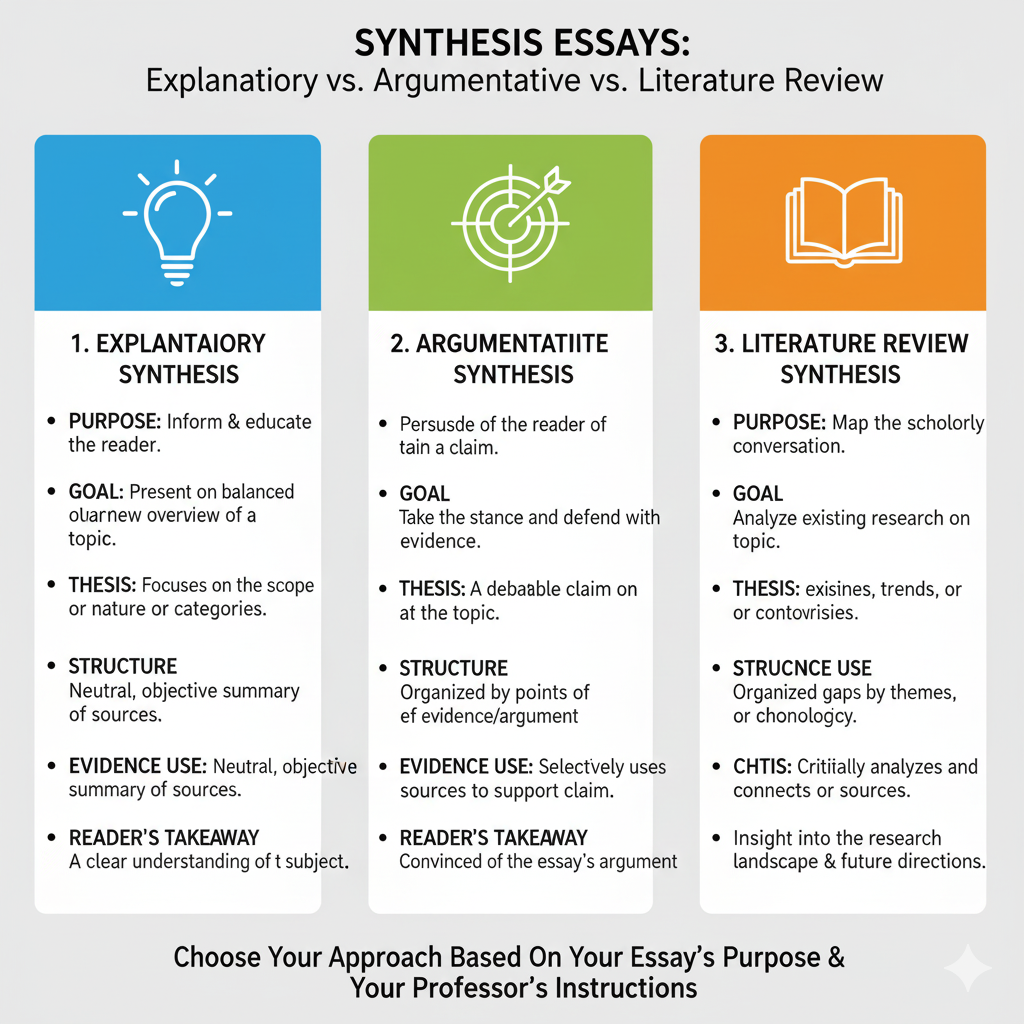
Not all synthesis essays are created equal! Here are the main types you’ll encounter:
Explanatory Synthesis
This type presents facts and information from multiple sources in an objective, organized way. Your goal is to help readers understand a topic better.
You’re not arguing for a position—you’re explaining how different sources address the topic.
Think of it as creating a map of the conversation around your subject.
Argumentative Synthesis
Here, you’re taking a stand! You use multiple sources to support your specific position on a topic.
You’ll need to evaluate sources critically, using the strongest points to build your case.
This type requires you to address counterarguments too, showing why your position holds up despite opposing views.
Literature Review
Common in academic research, this synthesis connects studies and scholarly articles around a specific research question.
You identify patterns, gaps, and relationships between existing research works.
The goal is to show what we know about a topic and what still needs investigation.
What is an AP Lang Synthesis Essay?
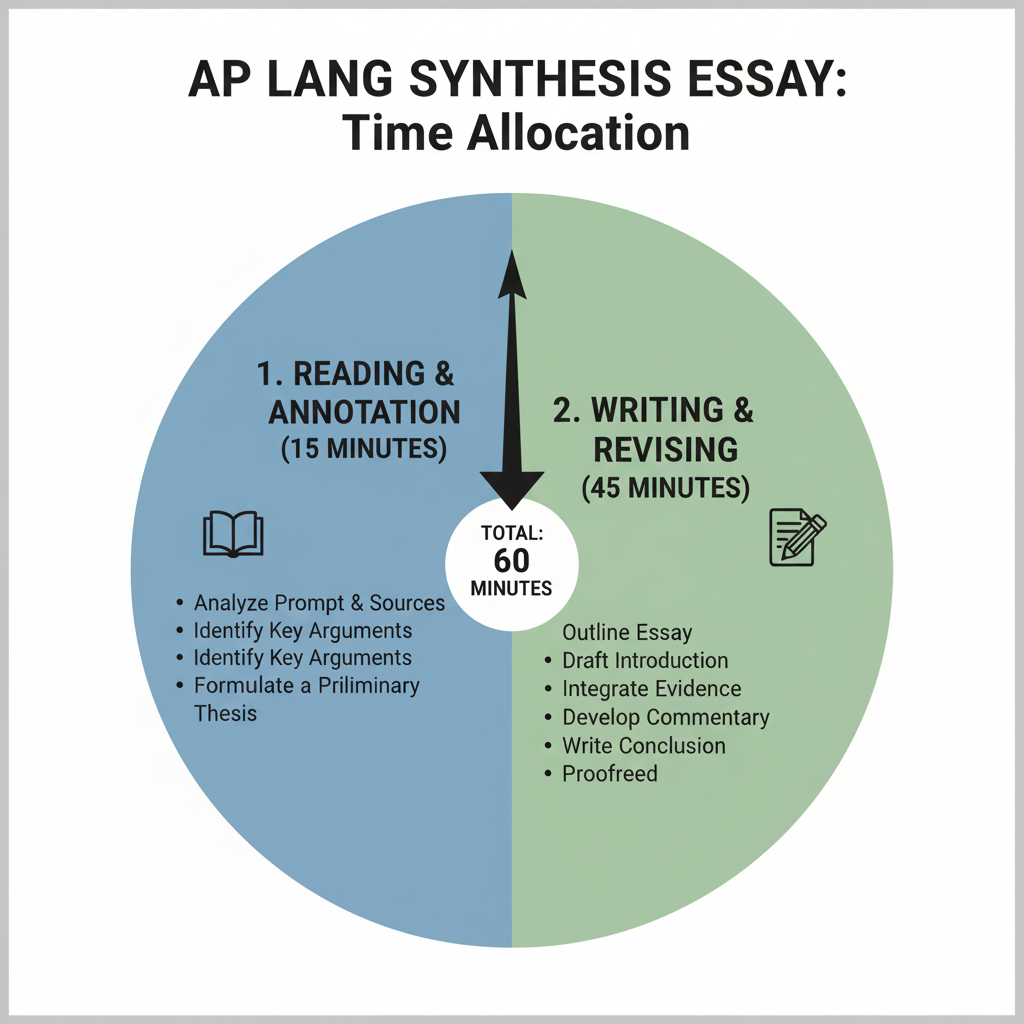
The AP Language and Composition exam includes a special type of synthesis essay that deserves attention.
This timed essay gives you multiple sources and asks you to create an argument using them. You typically get 15 minutes to read and 40 minutes to write.
The sources might include texts, images, graphs, or charts—all related to a specific issue.
Your job is to develop a clear position and support it by synthesizing at least three of the provided sources.
The AP synthesis essay tests your ability to think critically under pressure—a valuable skill for college and beyond!
Synthesis Essay Structure
A strong structure makes your synthesis essay clear and convincing. Here’s the blueprint:
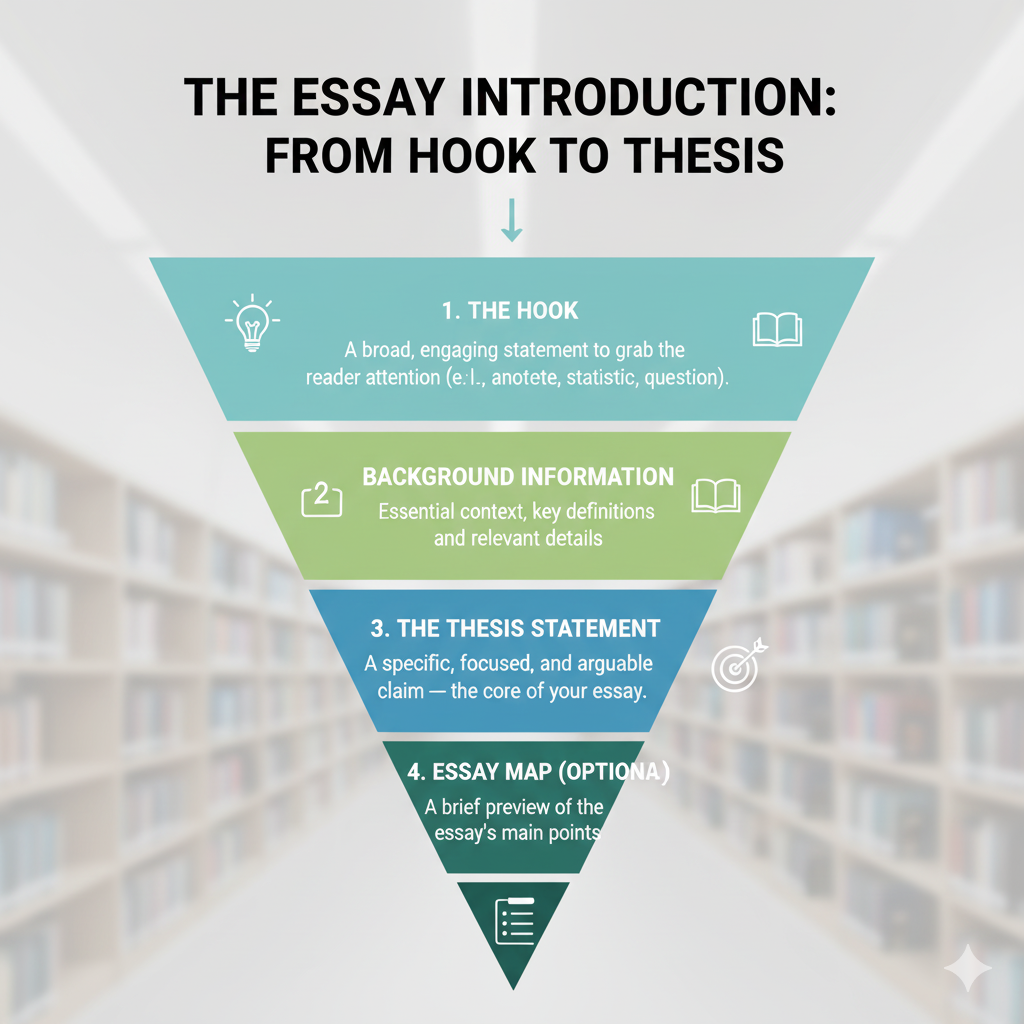
Introduction
Start with an engaging hook that introduces your topic. This could be a surprising fact, quote, or thought-provoking question.
Provide context about the issue or theme you’re addressing.
End with a clear thesis statement that presents your main idea or argument.
Body Paragraphs
Each paragraph should focus on one main idea that supports your thesis.
Begin paragraphs with clear topic sentences that state the paragraph’s main point.
Integrate multiple sources within each paragraph, showing connections between them.
Use transitions to show relationships between ideas (similarly, in contrast, furthermore).
Counterarguments Section
Address opposing viewpoints to strengthen your position.
Show that you’ve considered multiple perspectives, which builds your credibility.
Explain why your position still holds true despite these counterarguments.
Conclusion
Restate your thesis in fresh words.
Summarize the main points and connections you’ve made.
End with the broader significance of your synthesis—why does this matter?
How to Write a Synthesis Essay?
Ready to write your synthesis essay? Follow these steps for success:
Step 1: Understand the Prompt
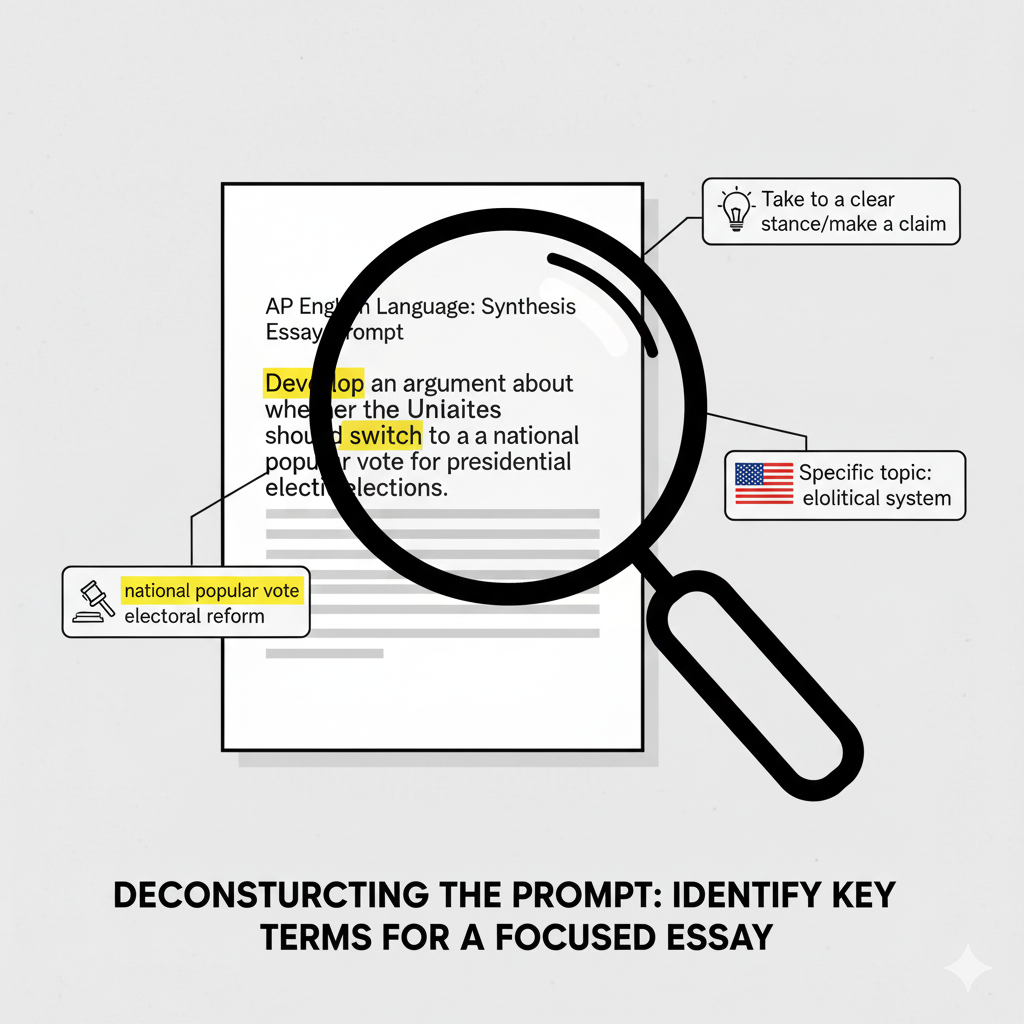
Read the assignment carefully—multiple times if needed.
Identify key terms and requirements (word count, number of sources, etc.).
Determine what type of synthesis essay you need to write (explanatory or argumentative).
Ask your instructor for clarification if anything seems unclear.
Step 2: Choose a Suitable Topic
Select a topic that has enough source material available.
Pick something that interests you—your enthusiasm will show in your writing.
Make sure the topic isn’t too broad or too narrow.
Good synthesis topics often involve debates or multiple perspectives.
Step 3: Conduct Research
Gather a variety of credible sources (academic journals, books, reputable websites).
Look for sources with different viewpoints to ensure a balanced synthesis.
Take organized notes as you read, highlighting potential quotes and key points.
Create a source map to visualize how different sources relate to each other.
Step 4: Develop a Working Thesis
Craft a clear statement that presents your main argument or perspective.
Make sure your thesis can be supported by the sources you’ve gathered.
Keep it specific enough to be proven within your essay’s scope.
Remember that your thesis might evolve as you continue writing—that’s normal!
Step 5: Create an Outline
Organize your main points in a logical order that builds your argument.
Decide which sources support which points in your outline.
Plan how you’ll integrate different sources within each section.
Include spaces for transitions between ideas.
Step 6: Write Introduction
Hook your reader with an engaging opening (startling fact, question, brief anecdote).
Provide necessary background information about your topic.
Introduce the sources you’ll be synthesizing.
End with your thesis statement—the main idea your synthesis will prove.
Step 7: Explain Arguments in Body Paragraphs
Start each paragraph with a clear topic sentence.
Present evidence from multiple sources that support that point.
Explain how the evidence connects to your thesis.
Show relationships between sources—do they agree, disagree, or complement each other?
Use Source Material Effectively
Blend quotations smoothly into your own writing.
Paraphrase when the exact wording isn’t crucial.
Always cite sources according to the required format (MLA, APA, Chicago, etc.).
Balance source material with your own analysis—your voice should guide the essay.
Step 8: Address Counterarguments
Present opposing viewpoints fairly and accurately.
Acknowledge the strengths of counter perspectives.
Explain why your position is more convincing despite these counterarguments.
Use sources that support different viewpoints to show comprehensive understanding.
Step 9: Conclude Your Essay
Restate your thesis in new words.
Summarize the main connections you’ve made between sources.
Explain the significance of your synthesis—why should readers care?
End with a thought-provoking statement that leaves a lasting impression.
Step 10: Edit and Revise
Take a break before editing to gain fresh perspective.
Check that your synthesis is balanced and integrates sources smoothly.
Look for logical flow between paragraphs and ideas.
Ensure your own voice and analysis are prominent throughout.
Step 11: Create a Bibliography
List all sources used in your essay according to the required citation style.
Double-check formatting requirements for your citation style.
Include all necessary information (author, title, publication date, etc.).
Organize sources alphabetically (typically by author’s last name).
Step 12: Final Check
Proofread for grammar, spelling, and punctuation errors.
Verify that all sources are properly cited both in-text and in your bibliography.
Check that your essay meets all assignment requirements.
Read your essay aloud to catch awkward phrasing or flow issues.
Synthesis Essay Examples
Let’s look at a brief example to see synthesis in action:
Topic: The Impact of Social Media on Teen Mental Health
Thesis: While social media offers valuable connection opportunities for teenagers, the evidence suggests that excessive use contributes to anxiety, depression, and poor self-image, indicating a need for balanced usage guidelines.
Body Paragraph Example:
Research consistently shows connections between heavy social media use and mental health challenges. Dr. Jean Twenge’s longitudinal study found that teens who spend five or more hours daily on electronic devices are 71% more likely to have suicide risk factors (Twenge, 2017). Similarly, the American Academy of Pediatrics reports increased rates of depression among teens who prioritize online interactions over face-to-face relationships (AAP, 2019). However, psychologist Dr. Sarah Cohen offers an important counterpoint, noting that social media can provide crucial support systems for marginalized teens who may not find acceptance in their immediate communities (Cohen, 2020). These findings suggest that the relationship between social media and mental health is complex—it’s not the platforms themselves but how they’re used that determines their impact.
This paragraph synthesizes three different sources, showing how they relate to each other while supporting the thesis.
Synthesis Essay Topics
Need inspiration? Here are some synthesis-worthy topics:
- Technology and Education: How has technology changed learning outcomes?
- Climate Change Solutions: Which approaches offer the most promise?
- Universal Basic Income: What do economic studies reveal about its feasibility?
- Social Media and Democracy: How has social media influenced political discourse?
- Artificial Intelligence Ethics: What boundaries should exist for AI development?
- Remote Work Revolution: How has the shift to remote work affected productivity and well-being?
- Vaccine Hesitancy: What factors contribute to vaccine resistance?
- Fast Fashion Impact: How does the fashion industry affect environmental and labor conditions?
- Screen Time and Child Development: What does research tell us about appropriate limits?
- Mental Health Stigma: How has public perception of mental health changed over time?
Good synthesis topics have multiple perspectives and enough research available to draw from.
Synthesis Essay Writing Tips
Take your synthesis essay from good to great with these expert tips:
Tip #1 Diverse Sources
Include a variety of source types (studies, expert opinions, statistics, case studies).
Look for sources that represent different perspectives on your topic.
Choose sources with different publication dates to show the evolution of thinking.
Quality matters more than quantity—a few excellent sources beat many mediocre ones.
Tip #2 Critical Analysis
Don’t just report what sources say—evaluate their credibility and relevance.
Consider factors like author credentials, publication reputation, and recency.
Identify potential biases or limitations in your sources.
Explain why certain sources are particularly valuable to your synthesis.
Tip #3 Effective Transitions
Use transition words and phrases to show relationships between ideas.
Signal to readers when you’re moving from one source to another.
Create bridges between paragraphs to maintain flow.
Some useful transitions: furthermore, similarly, in contrast, however, consequently.
Tip #4 Thematic Unity
Organize your essay around ideas, not sources.
Each paragraph should explore one aspect of your thesis, drawing from multiple sources.
Avoid the “source-by-source” approach where you simply summarize one source after another.
Keep returning to your main thesis throughout the essay.
Tip #5 Concise Language
Be direct and clear in your writing—avoid unnecessary wordiness.
Use active voice when possible (write “Researchers discovered” not “It was discovered by researchers”).
Define any specialized terminology your readers might not know.
Cut redundant phrases that don’t add new information.
Tip #6 Counterarguments
Present opposing viewpoints fairly and accurately.
Show you understand all sides of the issue.
Explain why your position is more convincing despite valid counterpoints.
This balanced approach strengthens your credibility.
Tip #7 Societal Relevance
Connect your synthesis to broader implications.
Explain why your topic matters in today’s world.
Consider how your conclusions might impact different stakeholders.
This “so what?” factor makes your essay more compelling.
Tip #8 Varied Sentence Structure
Mix short and long sentences to create rhythm.
Start sentences in different ways to maintain reader interest.
Use questions occasionally to engage readers directly.
Vary your sentence patterns to avoid monotony.
Frequently Asked Questions
Is a synthesis essay argumentative?
It can be, but not always. Argumentative synthesis essays take a position and defend it using multiple sources. Explanatory synthesis essays, however, focus on presenting information from various sources without necessarily arguing for a specific position.
Your assignment guidelines will usually specify which type you need to write.
Do you use quotes in a synthesis essay?
Yes, but use them strategically! Include direct quotes when:
- The original wording is particularly powerful
- You need to show exact language for analysis
- The authority of the exact words matters
For most information, paraphrasing works better as it shows you truly understand the material.
Aim for a balance of quotes, paraphrases, and your own analysis, with your voice guiding the essay.
What are the goals of a synthesis essay?
A synthesis essay aims to:
- Demonstrate your understanding of multiple sources
- Show connections between different ideas and information
- Present a coherent, unified perspective on a topic
- Develop new insights through the combination of sources
- Prove your ability to think critically about complex issues
The ultimate goal is to create something greater than the sum of its parts!
Conclusion: Mastering the Art of Synthesis
Writing a synthesis essay is like conducting an orchestra—you bring different instruments (sources) together to create a harmonious whole. With practice, this skill becomes second nature.
Remember that good synthesis isn’t about finding sources that all say the same thing. The most interesting synthesis essays explore tensions and connections between differing perspectives.
Start with thorough research, develop a clear thesis, and carefully plan how your sources will work together. Focus on creating smooth transitions and maintaining your own voice throughout.
The ability to synthesize information effectively will serve you well beyond this assignment—it’s a crucial skill for college, career, and making sense of our complex world.
Now you’re ready to transform a collection of sources into a powerful, unified essay that showcases your critical thinking abilities. Happy synthesizing!