What is Time Management?
Time management is your ability to use hours effectively. It’s about working smarter, not harder.
Think of time as money in your work bank account. You get the same 24 hours as everyone else – but how you spend them makes all the difference. Good time management means planning your day, prioritizing tasks, and staying focused on what matters most. It’s not just about being busy. It’s about being productive with purpose.
I’ve seen countless professionals transform their careers by mastering this skill. You can too!
Why is Time Management Important in the Workplace?
Poor time management costs U.S. businesses $37 billion annually. That’s not a typo! When you manage time well, you meet deadlines consistently. Your boss notices. Your clients appreciate it.
Workplace stress drops dramatically when you control your schedule instead of letting it control you. Team productivity soars when everyone manages time effectively. One person’s poor time management can derail an entire project. I once watched a talented marketing team miss a major launch because one member couldn’t manage deadlines. Don’t be that person!
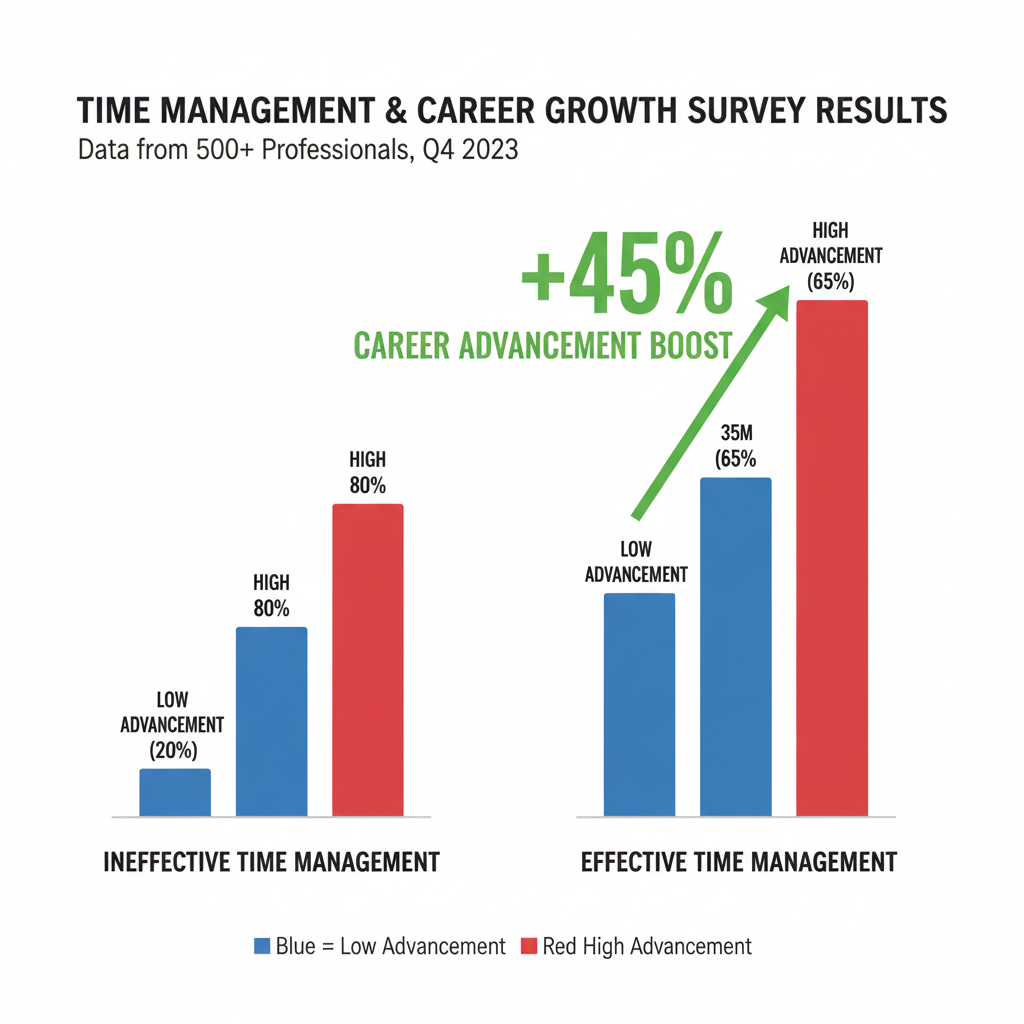
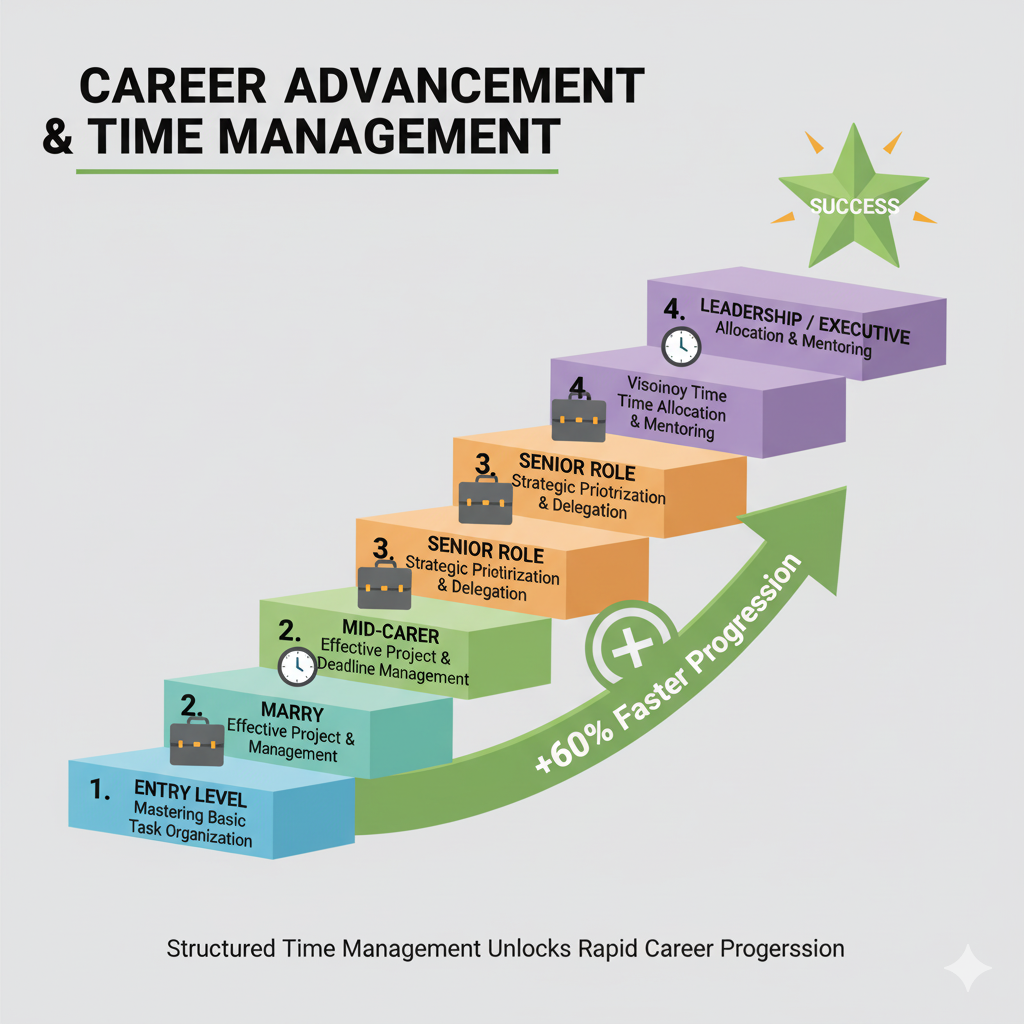
Your career advancement often depends on how well you handle time pressures. Promotions go to those who deliver consistently.
What are the Important Benefits of Time Management in the Workplace?
1. Deliver Work on Time
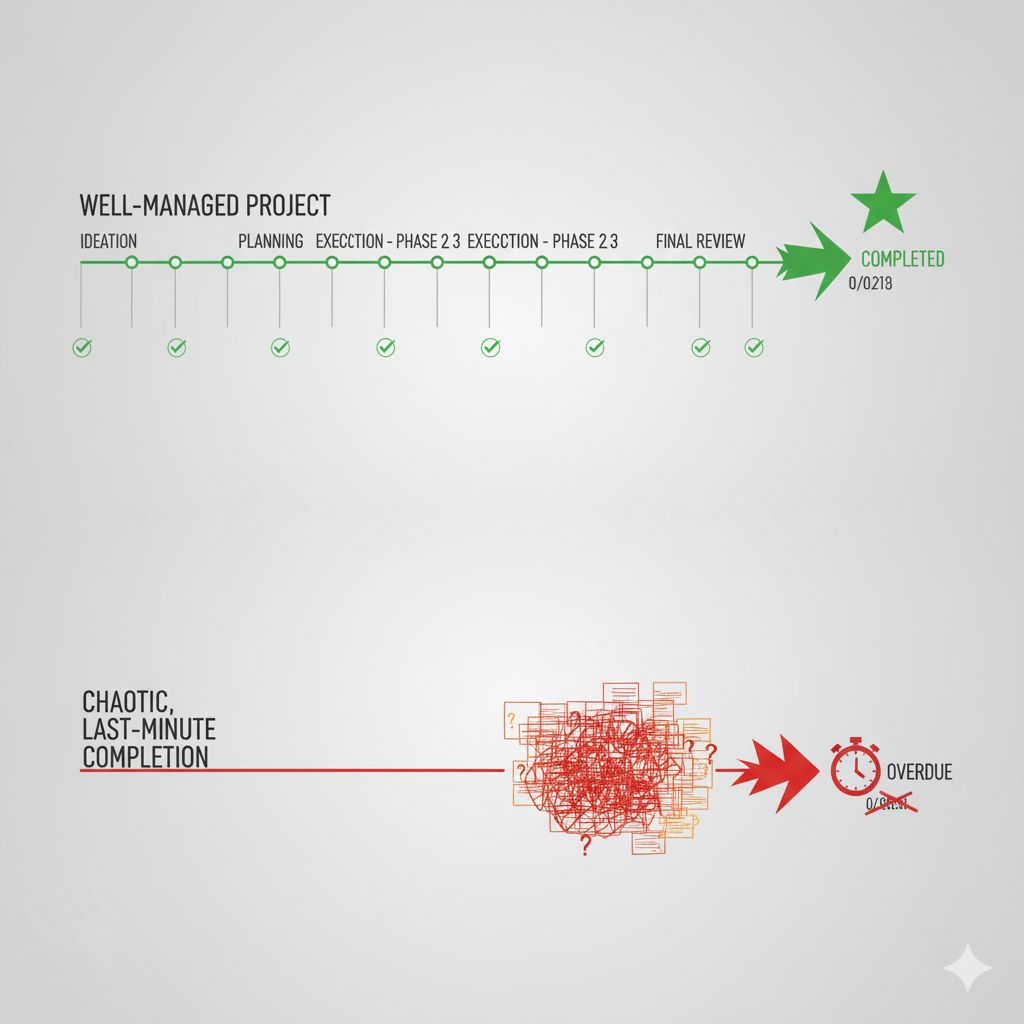
Meeting deadlines builds trust with colleagues and clients. It’s that simple. When you manage time well, last-minute rushes become rare exceptions, not daily emergencies. Your reputation for reliability becomes one of your most valuable professional assets. Have you noticed how the most respected people in your office are often those who never miss deadlines?
2. Provide Better Quality of Work
Rushed work is rarely your best work. Good time management gives you space to excel. When you’re not racing against the clock, you can focus on details that truly matter. I remember reviewing two reports – one rushed, one well-planned. The difference in quality was immediately obvious. Time for revision and improvement is built into good time management strategies. Your creativity flourishes when you’re not constantly watching the clock in panic mode.
3. Boost Productivity
Workers waste an average of 2.1 hours daily on non-productive activities. That’s shocking! Effective time management can reclaim those lost hours, increasing your output without working longer. You’ll accomplish more in less time when you eliminate time-wasting habits and distractions. Productivity isn’t about being busy – it’s about getting results. Time management focuses on outcomes. Have you ever had one of those super-productive days where everything clicked? That’s what good time management creates consistently.
4. Manage Procrastination
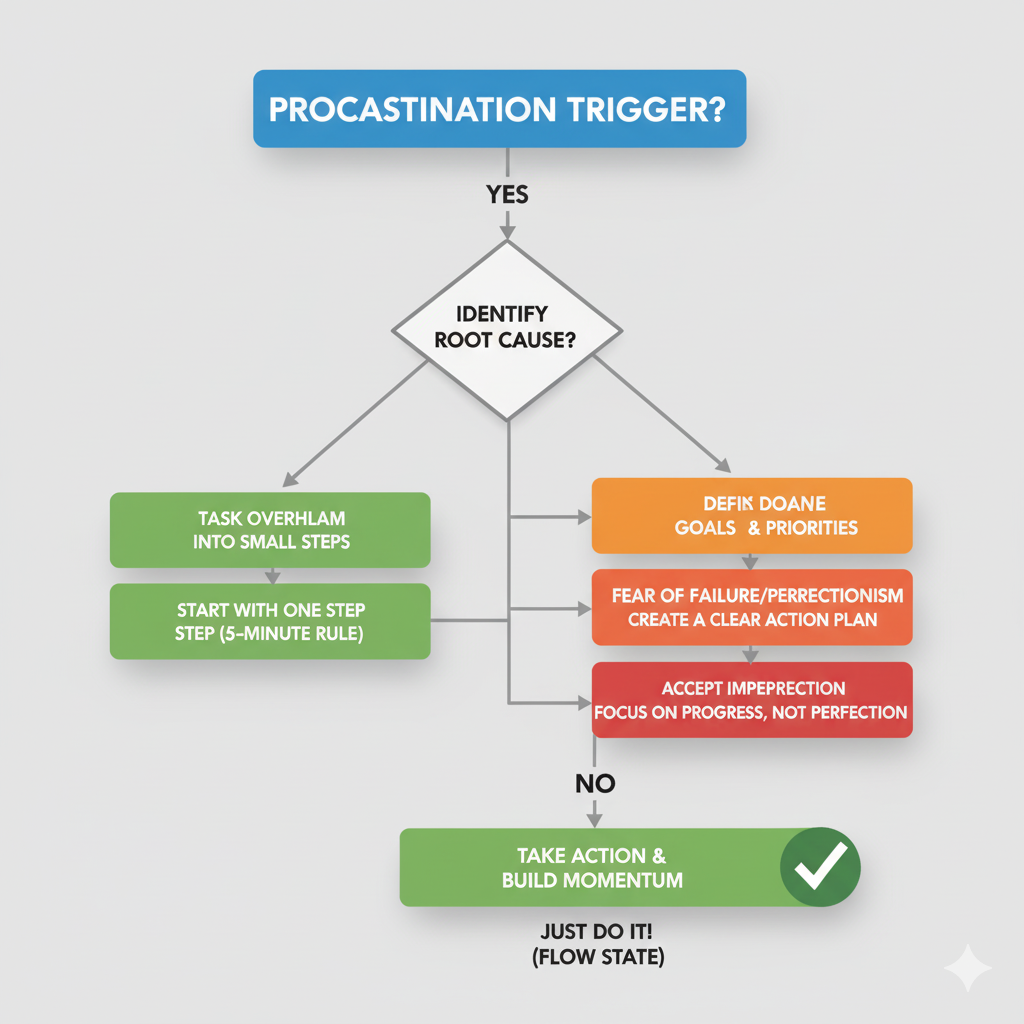
Procrastination is the silent career killer. Time management is your best defense. Breaking tasks into smaller chunks makes starting easier and reduces the urge to delay. Setting personal deadlines ahead of official ones creates helpful buffer zones. I used to be a chronic procrastinator until I learned proper time management. The transformation was life-changing! Time management techniques give you practical tools to overcome the psychological barriers behind procrastination.
5. Reduce Stress and Anxiety
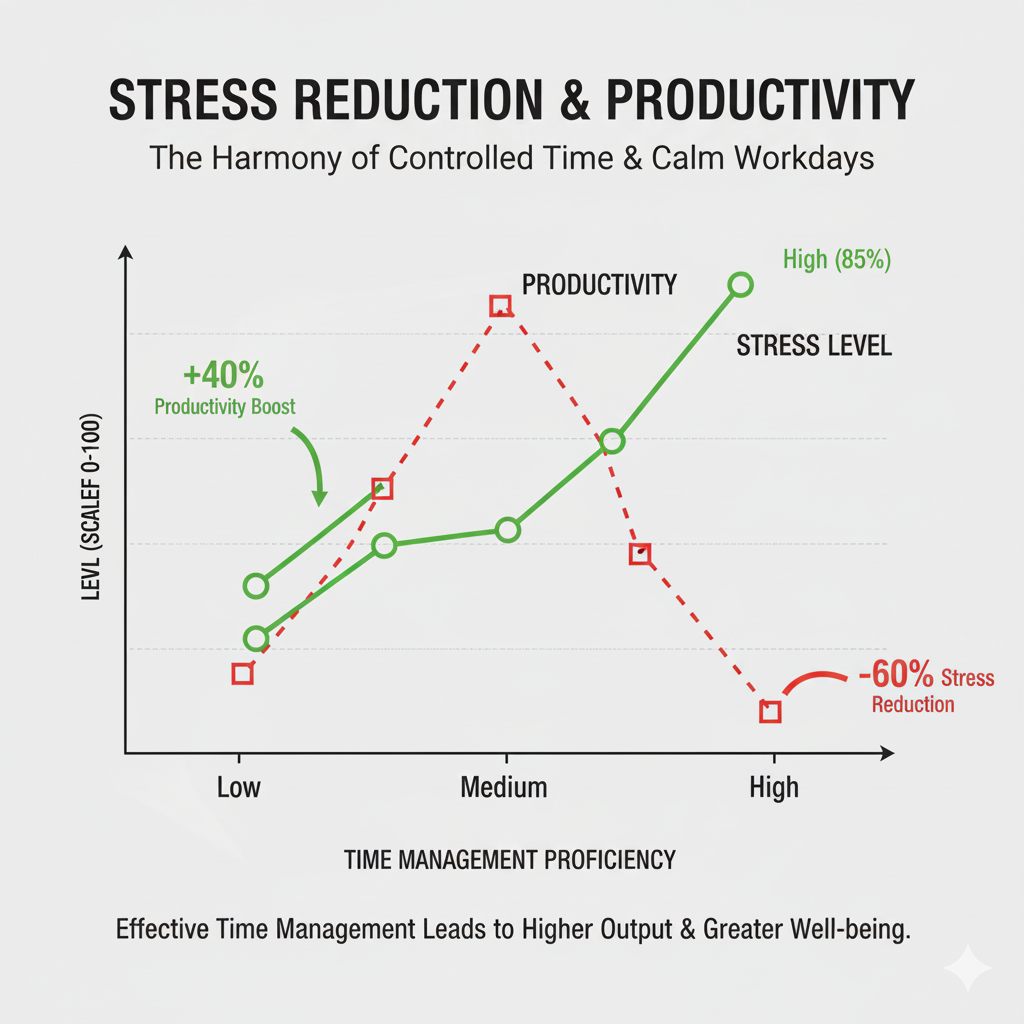
Workplace stress costs employers $300 billion annually in health care and missed work days. The feeling of being overwhelmed often comes from poor time management, not actual workload. Having a clear plan reduces the mental burden of constantly worrying about forgotten tasks. I’ve coached teams whose stress levels dropped dramatically after implementing basic time management systems. Your mental health improves when you feel in control of your day rather than at its mercy.
6. Improved Quality of Life
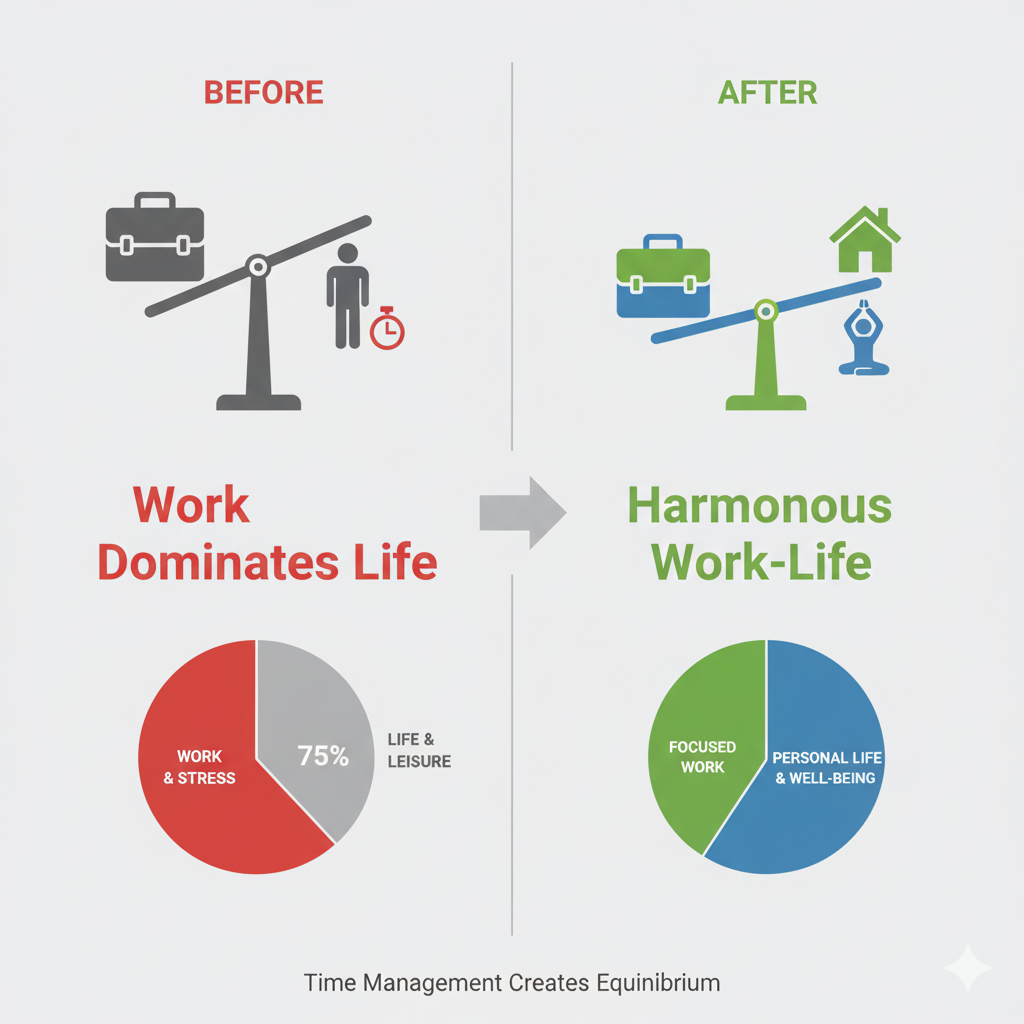
Work-life balance isn’t just a buzzword – it’s essential for long-term career success. Good time management at work means you can truly disconnect during personal time. You’ll sleep better when you’re not worrying about unfinished tasks or looming deadlines. Your relationships benefit when you’re fully present, not mentally stuck at the office. I’ve seen professionals transform not just their careers but their entire lives through better time management.
7. Provide Opportunities and Career Growth
Managers promote people who consistently deliver quality work on time. When you manage time well, you can take on additional responsibilities that showcase your abilities. You’ll have time for professional development that others miss while fighting daily fires. Time management creates space for networking and relationship building – crucial for advancement. Your capacity to handle bigger challenges becomes evident when you master your current workload.
8. More Time for Leisure and Recreation
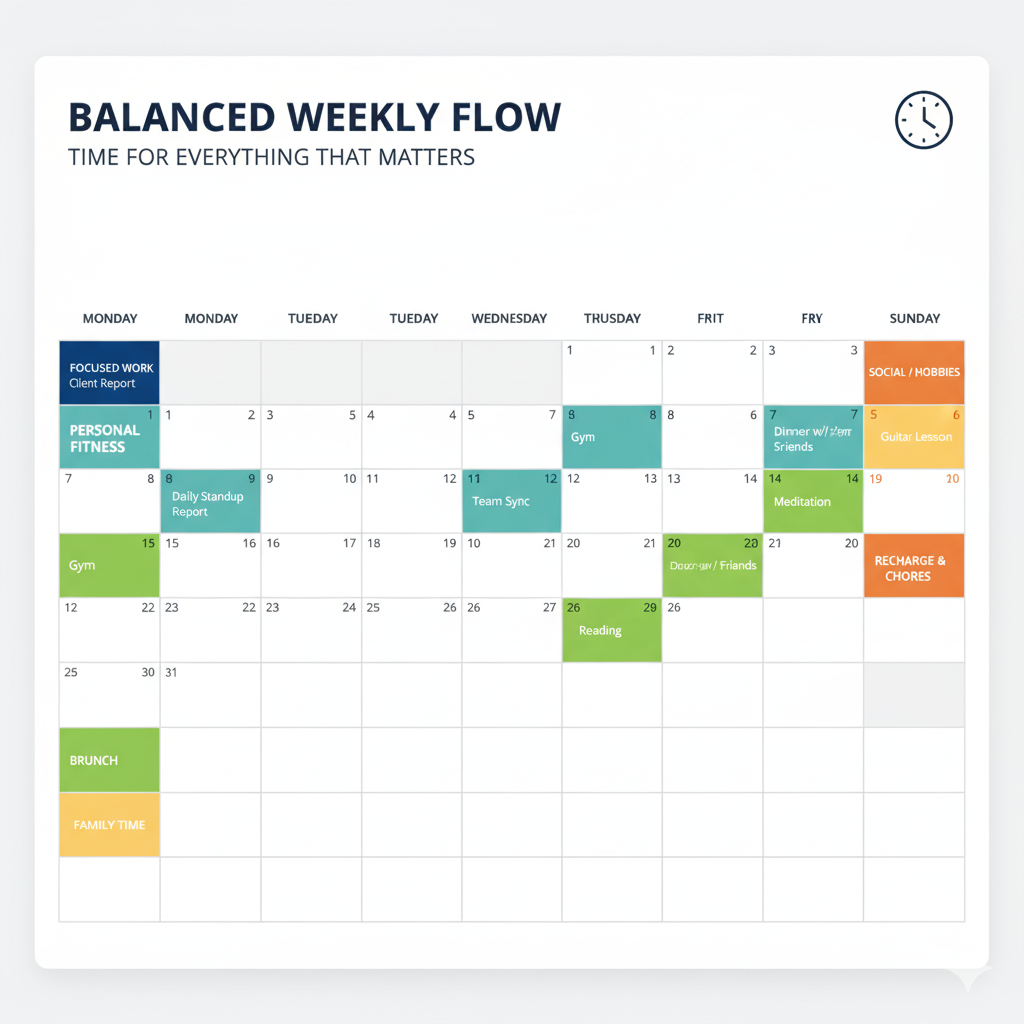
Effective time management doesn’t mean working more – it means working right. You’ll find time for hobbies that recharge you, making you more effective when you are working. Regular breaks and personal time actually improve your workplace performance. Burnout becomes much less likely when you balance productivity with rest. I schedule “me time” with the same seriousness as client meetings. You should too!
8 Steps to Improve Time Management Skills at Work
1. Plan Your Work
Start each day with 10 minutes of planning. This small investment pays huge dividends. Use digital tools or simple paper planners – what matters is consistency, not the method. Review tomorrow’s schedule before leaving work today. You’ll sleep better and start stronger. Include buffer time between tasks for unexpected issues. They will happen! Weekly planning sessions help you see the bigger picture beyond daily tasks.
2. Prioritize Your Tasks
Not all tasks deserve equal time or attention. Learn to identify what truly matters. Try the Eisenhower Matrix: divide tasks into urgent/important, urgent/not important, not urgent/important, and not urgent/not important.
Tackle high-value tasks when your energy is highest. Save routine work for low-energy periods. Ask yourself: “If I could only complete three tasks today, which would deliver the most value?” I’ve found that most professionals focus too much on urgent tasks while neglecting important ones.
3. Avoid Multitasking
Multitasking is a myth. Your brain actually switches between tasks, losing efficiency each time. Studies show multitasking can reduce productivity by up to 40%. That’s nearly half your workday! Focus on one task until completion or a logical stopping point before switching. Close unnecessary tabs and apps that tempt you to divide your attention. I once timed myself completing tasks sequentially versus multitasking. The difference was eye-opening!
4. Minimize Distractions
The average office worker is interrupted every 3 minutes and 5 seconds. Let that sink in! Identify your personal distraction patterns. Is it email? Colleagues? Social media? Create distraction-free zones and times in your workday. Communicate these boundaries to others. Use website blockers during focused work periods if digital distractions are your weakness.
Try the Pomodoro Technique: 25 minutes of focused work followed by a 5-minute break.
5. Schedule Breaks
Regular breaks aren’t lazy – they’re essential for sustained productivity. Your brain needs downtime to process information and maintain focus. Even a 5-minute walk can reset your mental state and boost creativity. Schedule breaks intentionally rather than taking them when you’re already exhausted.
I recommend the 52/17 rule: 52 minutes of focused work followed by 17 minutes of rest.
6. Find Your Most Productive Hours
Everyone has peak productivity windows. Discover yours and protect them fiercely. Are you a morning person or a night owl? Schedule your most challenging work accordingly. Track your energy and focus throughout the day for a week to identify patterns. Arrange meetings during your less productive hours when possible. I’m at my best before 11 AM, so I schedule my most creative and difficult tasks then.
7. Accept Your Limitations
No one can do everything perfectly. Realistic expectations prevent burnout. Learn to say “no” to tasks that don’t align with your priorities or capacity. Delegate when possible. It’s not admitting weakness – it’s smart resource management. Perfectionism is often the enemy of good time management. Know when “good enough” is truly good enough. I struggled with this until I realized that accepting limitations actually improved my overall output.
8. Use Time Tracking Software
You can’t improve what you don’t measure. Time tracking provides valuable insights. Modern time tracking tools are user-friendly and reveal patterns you might miss. Seeing where your time actually goes often reveals surprising inefficiencies. Many tools integrate with project management software for seamless workflow. After tracking my time for one month, I discovered I was spending 7 hours weekly on tasks I could automate!
In Conclusion
Time management isn’t just about getting more done – it’s about getting the right things done. The benefits extend far beyond your to-do list, improving your stress levels, work quality, and career prospects.
Start small. Pick one technique from this article and practice it consistently for two weeks. Remember that perfect time management doesn’t exist. Progress, not perfection, should be your goal.
What time management strategy will you implement today? Your future self will thank you for starting now.