Are you tired of feeling stuck in a cycle of procrastination? Do you often label yourself as “lazy” but desperately want to change? You’re not alone. Many of us struggle with motivation dips that feel like laziness. The good news? You can overcome this challenge with practical, science-backed strategies.
Understanding the Root Causes of Laziness
Laziness isn’t a character flaw. It’s often a symptom of deeper issues like burnout, lack of clear goals, or even underlying health conditions. Your brain is wired to conserve energy, not waste it.
Most people mistake fatigue or overwhelm for laziness. I used to beat myself up for being “lazy” until I realized I was actually exhausted from poor sleep habits. Once I addressed the real problem, my energy returned.
True laziness is rare. What feels like laziness is usually a lack of motivation, unclear priorities, or fear of failure. Identifying your specific triggers is the first step toward lasting change.
Why You Feel Lazy: Uncovering the Hidden Triggers
Procrastination and laziness aren’t the same thing. Procrastination is avoiding specific tasks, while laziness is a general lack of willingness to exert effort. Knowing the difference helps target your solution.
Physical factors often masquerade as laziness. Poor nutrition, dehydration, and lack of sleep can drain your energy and motivation. Your body needs proper fuel to function at its best.
Emotional barriers like fear of failure or perfectionism can paralyze you into inaction. These psychological blocks make taking action feel impossibly difficult. Be honest with yourself about what’s really holding you back.
Sometimes what looks like laziness is actually depression or anxiety. If you’ve tried multiple strategies without improvement, consider talking to a healthcare provider. Mental health matters.
Strategy #1: Creating a Manageable Action Plan
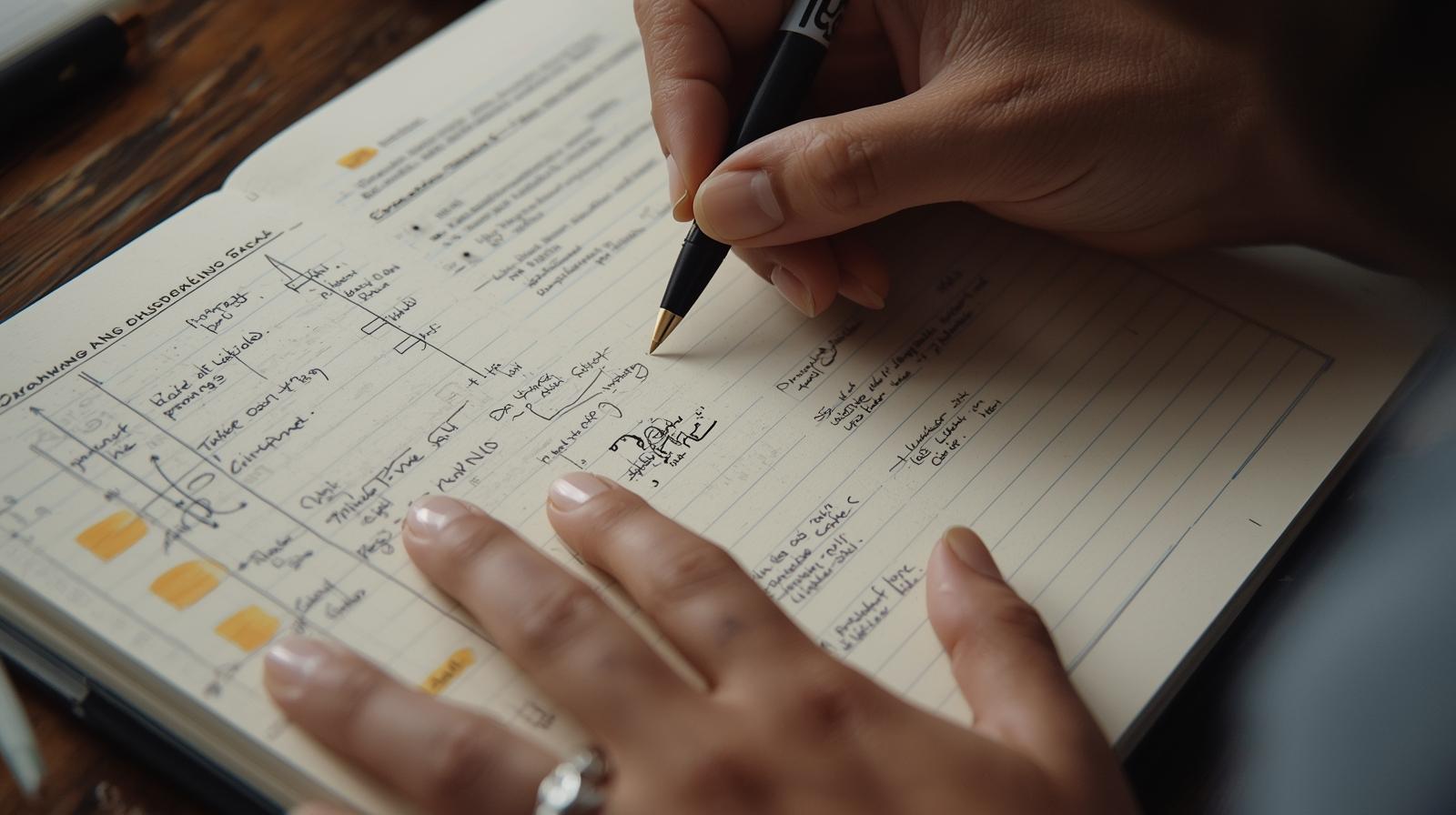
Break overwhelming tasks into tiny steps. Instead of “clean the house,” try “wipe the kitchen counter” or “sort one drawer.” Small wins build momentum.
Try the two-minute rule: if something takes less than two minutes, do it immediately. This simple hack prevents small tasks from piling up into overwhelming mountains.
Create a realistic daily schedule that includes:
- Your most important tasks first
- Breaks between focused work periods
- Buffer time for unexpected interruptions
- Clear start and end times
Avoid planning every minute of your day. Overambitious schedules set you up for failure and reinforce feelings of laziness when you can’t keep up.
Strategy #2: Harnessing the Power of Positive Self-Talk
Stop calling yourself lazy. Labels become self-fulfilling prophecies. Replace “I’m so lazy” with “I’m having trouble getting started today.”
Your internal dialogue shapes your actions. When you catch negative self-talk, challenge it immediately. Ask yourself: “Is this thought helpful? Is it even true?”
Practice self-compassion when you struggle. Talk to yourself like you would a good friend – with kindness and understanding. You wouldn’t call a friend “lazy,” so don’t use that word on yourself.
Try these motivation-boosting affirmations:
- “I take small steps toward my goals every day.”
- “I have the power to choose action over inaction.”
- “Each productive choice builds my confidence.”
- “I’m building my focus muscles one task at a time.”
Strategy #3: Building a Productivity Environment

Your surroundings dramatically impact your motivation levels. Clear physical clutter to reduce mental clutter. A tidy workspace signals to your brain that it’s time to focus.
Remove tempting distractions from your environment. Put your phone in another room, block distracting websites, or use noise-canceling headphones to create focus.
Create visual cues that trigger productive behavior. Leave your running shoes by the door if you want to exercise or set out your journal if you want to write. These environmental triggers make good habits easier.
Design your digital environment with the same care as your physical space. Organize files, clear your desktop, and use productivity apps that block distractions during focused work periods.
Strategy #4: The Energy-Productivity Connection
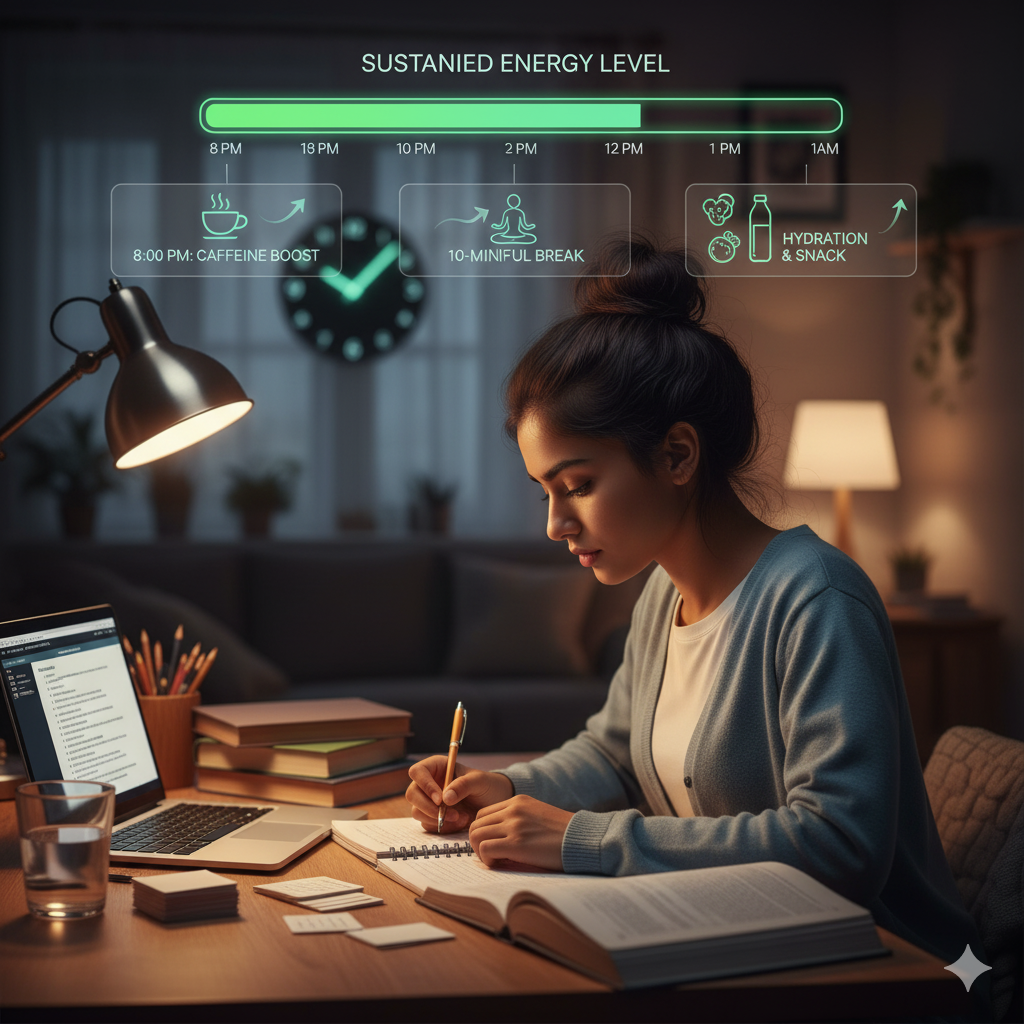
What you eat directly affects your energy and focus. Choose high-protein foods like eggs, lean meats, beans, and nuts to maintain steady energy levels throughout the day.
Avoid sugar crashes by limiting processed foods, candy, and white flour products. These cause energy spikes followed by motivation-killing crashes. I switched my afternoon cookie for a handful of almonds and noticed an immediate difference in my focus.
Stay hydrated! Even mild dehydration can make you feel tired and unmotivated. Keep water nearby and sip regularly throughout the day.
Try these energy-boosting snacks when motivation dips:
- Apple with peanut butter
- Greek yogurt with berries
- Hummus with vegetables
- Hard-boiled eggs
- Trail mix with nuts and dried fruit
Strategy #5: Movement as a Motivation Catalyst

Exercise isn’t just for physical health – it’s a powerful motivation booster. Even five minutes of movement can increase energy and improve mood. Try jumping jacks, a quick walk, or stretching when you feel stuck.
Schedule regular physical activity that you actually enjoy. Dancing, hiking, swimming, or playing with your dog all count. The best exercise is the one you’ll actually do.
Use micro-movement breaks throughout your day. Set a timer to stand up and stretch every 30 minutes. These small actions prevent the physical stagnation that often feels like laziness.
Remember that movement builds momentum. Starting with just 60 seconds of physical activity often leads to more. Don’t wait until you “feel like” exercising – that feeling comes after you start moving.
Strategy #6: The Rest Revolution
Quality sleep is non-negotiable for beating laziness. Aim for 7-9 hours of good sleep each night. Create a consistent sleep schedule and stick to it, even on weekends.
Strategic rest periods throughout the day prevent burnout. Try the Pomodoro Technique: 25 minutes of focused work followed by a 5-minute break. After four cycles, take a longer 15-30 minute break.
Learn to distinguish between laziness and your body’s legitimate need for rest. Pushing through genuine fatigue leads to burnout, not productivity. Sometimes the most productive thing you can do is take a nap.
Create a calming bedtime routine to signal your brain it’s time to wind down. This might include reading, gentle stretching, or writing in a gratitude journal. Avoid screens at least 30 minutes before bed.
Strategy #7: Accountability Systems That Actually Work
Find an accountability partner who shares your goals. Check in regularly to report progress and challenges. The right partner offers both support and gentle pressure.
Use technology tools like habit trackers or productivity apps to monitor your progress. Seeing your streak of consistent action provides powerful motivation to continue.
Make public commitments about your goals. Tell friends what you’re working on, or post updates on social media. Knowing others expect results can provide that extra push when motivation wanes.
Join groups focused on your specific goals. Whether it’s a writing circle, fitness class, or study group, community support makes consistent action easier and more enjoyable.
Strategy #8: Reward Structures That Reinforce Action
Create a personal reward system that celebrates progress, not just outcomes. Small rewards for small wins keep motivation high during long projects.
Balance immediate and delayed gratification. After completing a difficult task, give yourself a small immediate reward. Save bigger rewards for achieving significant milestones.
Try reward stacking: pair activities you need to do with activities you want to do. Only watch your favorite show while folding laundry, or only listen to your favorite podcast while exercising.
Celebrate progress visually. Use a calendar to mark days you take action, or create a progress bar for major projects. Visual reminders of how far you’ve come boost motivation to continue.
Strategy #9: Making Tedious Tasks Engaging
Transform boring tasks through gamification. Create challenges, set timers, or compete against your previous records. I turned cleaning my kitchen into a 15-minute “beat the clock” game and was amazed at how much more enjoyable it became.
Use the “temptation bundling” method by pairing necessary tasks with activities you enjoy. Only listen to your favorite audiobook while exercising, or only visit your favorite coffee shop when working on difficult projects.
Create a motivating soundtrack for tedious tasks. Different music works for different people – experiment with upbeat songs, instrumental music, or even nature sounds to find what helps you focus.
Bring mindfulness to boring activities. Instead of rushing through chores on autopilot, pay full attention to the sensations, movements, and results of your actions. This shift in perspective can make even routine tasks more engaging.
Strategy #10: Stress Management for Enhanced Productivity
Chronic stress depletes your motivation and makes everything feel harder. Identify your major stressors and create specific plans to address each one.
Practice these quick stress-reduction techniques:
- Deep breathing: 4 counts in, hold for 2, 6 counts out
- Progressive muscle relaxation: Tense and release each muscle group
- 5-4-3-2-1 grounding: Name 5 things you see, 4 things you feel, 3 things you hear, 2 things you smell, and 1 thing you taste
- Brief meditation: Focus on your breath for just 2 minutes
Create boundaries between work and personal time. Constant availability leads to burnout, which masquerades as laziness. Set specific work hours and stick to them.
Schedule regular mental health days or “do nothing” time. Your brain needs space to process and recover. Sometimes the most productive thing you can do is absolutely nothing.
Strategy #11: Harnessing Your Natural Energy Cycles
Identify your personal productivity peaks. Are you sharper in the morning, afternoon, or evening? Schedule your most challenging tasks during these high-energy periods.
Track your energy levels for a week to discover your natural patterns. Note times when you feel most alert and focused, as well as when you typically experience energy dips.
Plan for the afternoon slump. Most people experience an energy dip between 1-3pm. Schedule easier tasks during this time, or use it for a short power nap or walk.
Work with your biology, not against it. Fighting your natural rhythms wastes precious energy. Align your most important work with your peak performance times whenever possible.
Strategy #12: Building Momentum Through Small Wins
The science is clear: progress is the most powerful motivator. Create opportunities for daily victories, no matter how small. Each win builds confidence for the next challenge.
Start ridiculously small. If exercising for 30 minutes feels impossible, commit to just putting on your workout clothes or doing a single push-up. These tiny actions often lead to more.
Track your progress visually. Use a simple chart, app, or journal to record daily actions. Seeing how far you’ve come provides powerful motivation to continue, especially on difficult days.
Prepare for setbacks by having a specific plan for getting back on track. Everyone falls off the wagon occasionally. The difference between success and failure is how quickly you return to your positive habits.
Strategy #13: Connecting to Your Deeper Purpose
Find meaning in mundane tasks by connecting them to your larger goals. Cleaning the kitchen isn’t just about sparkling counters – it’s about creating a healthy environment for your family or practicing self-care.
Clarify your core values and align daily actions with what truly matters to you. When tasks connect to your deeper purpose, motivation flows more naturally.
Try this visualization technique: Picture yourself having completed the challenging task. How will you feel? What benefits will you experience? Hold this image in mind when motivation flags.
Ask yourself “why” five times to discover the deeper purpose behind your goals. Each answer reveals a deeper layer of motivation that can sustain you when willpower falters.
Strategy #14: Social Strategies for Motivation
Your social circle dramatically impacts your energy and motivation levels. Spend more time with action-oriented people who inspire you to grow.
Create a motivation-enhancing community by joining groups focused on your specific goals. Whether online or in-person, the right community provides support, accountability, and inspiration.
Know when to seek support versus when to work alone. Some tasks benefit from collaboration, while others require focused solo effort. Learn which approach works best for different activities.
Explore digital communities for accountability and support. Apps, forums, and social media groups connect you with others working toward similar goals. Sometimes knowing you’re not alone in your struggles provides the boost you need.
Strategy #15: Distinguishing Laziness from Deeper Issues

Watch for these warning signs that your “laziness” might be depression:
- Persistent feelings of hopelessness or emptiness
- Loss of interest in activities you once enjoyed
- Changes in appetite or sleep patterns
- Difficulty concentrating or making decisions
- Physical symptoms like headaches or digestive issues
Physical health conditions that can mimic laziness include:
- Thyroid disorders
- Anemia
- Sleep apnea
- Vitamin deficiencies
- Chronic fatigue syndrome
Don’t hesitate to seek professional help if self-help strategies aren’t working. A doctor, therapist, or counselor can help identify underlying issues and create an effective treatment plan.
Use self-assessment tools to better understand your specific challenges. Online questionnaires for depression, anxiety, ADHD, and burnout can provide insights about what you’re experiencing.