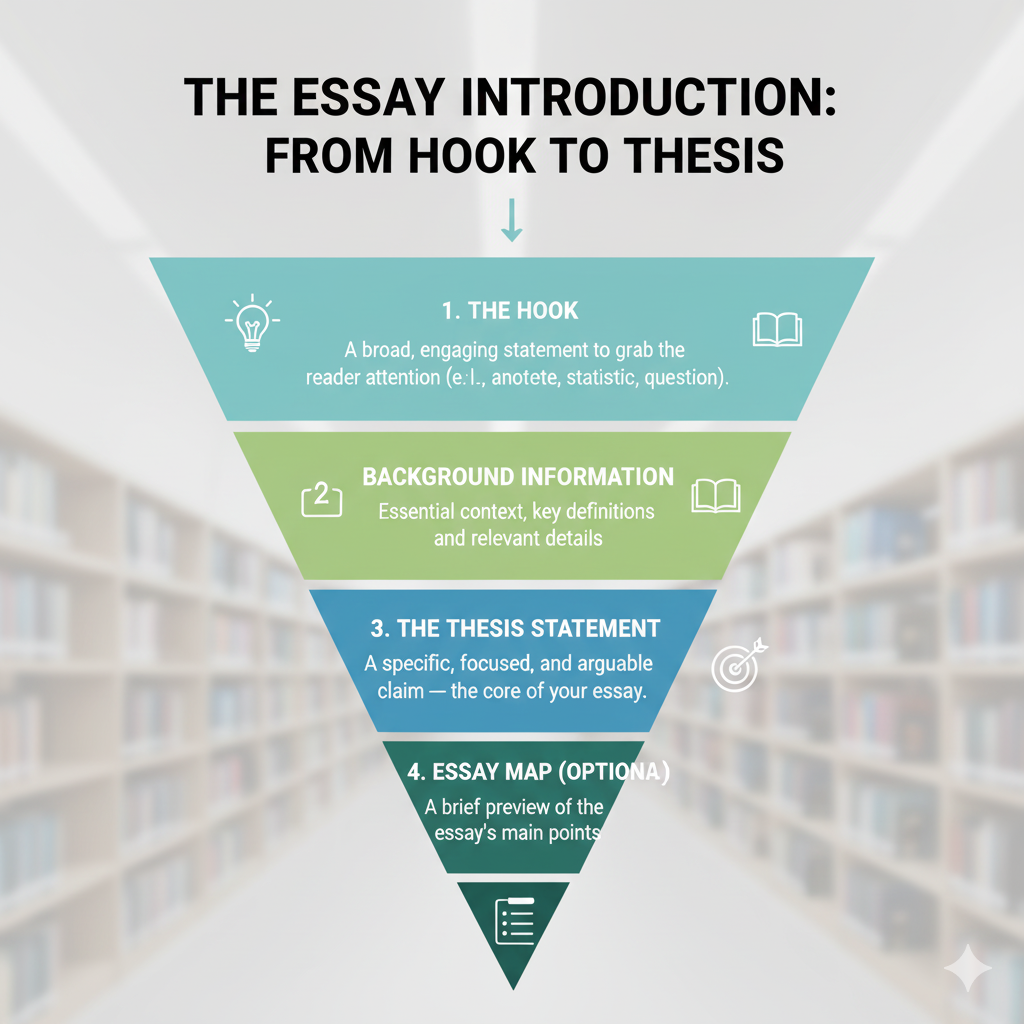
Introduction: Why AI is Transforming Academic Writing
Let’s face it – research papers can be tough. Between finding good sources, organizing your thoughts, and making sure everything flows well, it’s a lot to handle. But here’s some good news: AI tools are changing the game for students like you.
AI isn’t about replacing your thinking or writing skills. It’s about making the whole process smoother and helping you focus on what matters most – your ideas and analysis.
This guide, shows exactly how to use AI tools to write better research papers while still maintaining academic integrity.

Understanding AI’s Role in Academic Research
AI tools aren’t magic – they’re assistants. Think of them as super-smart study partners who can help with different parts of your research process.
These tools can help you brainstorm ideas, find relevant sources, organize information, and polish your writing. But remember, you’re still in charge. You need to direct the AI and evaluate its output.
The best part? Using AI responsibly can actually deepen your understanding of your topic. When you spend less time on mechanical tasks, you can focus more on critical thinking and developing your unique perspective.
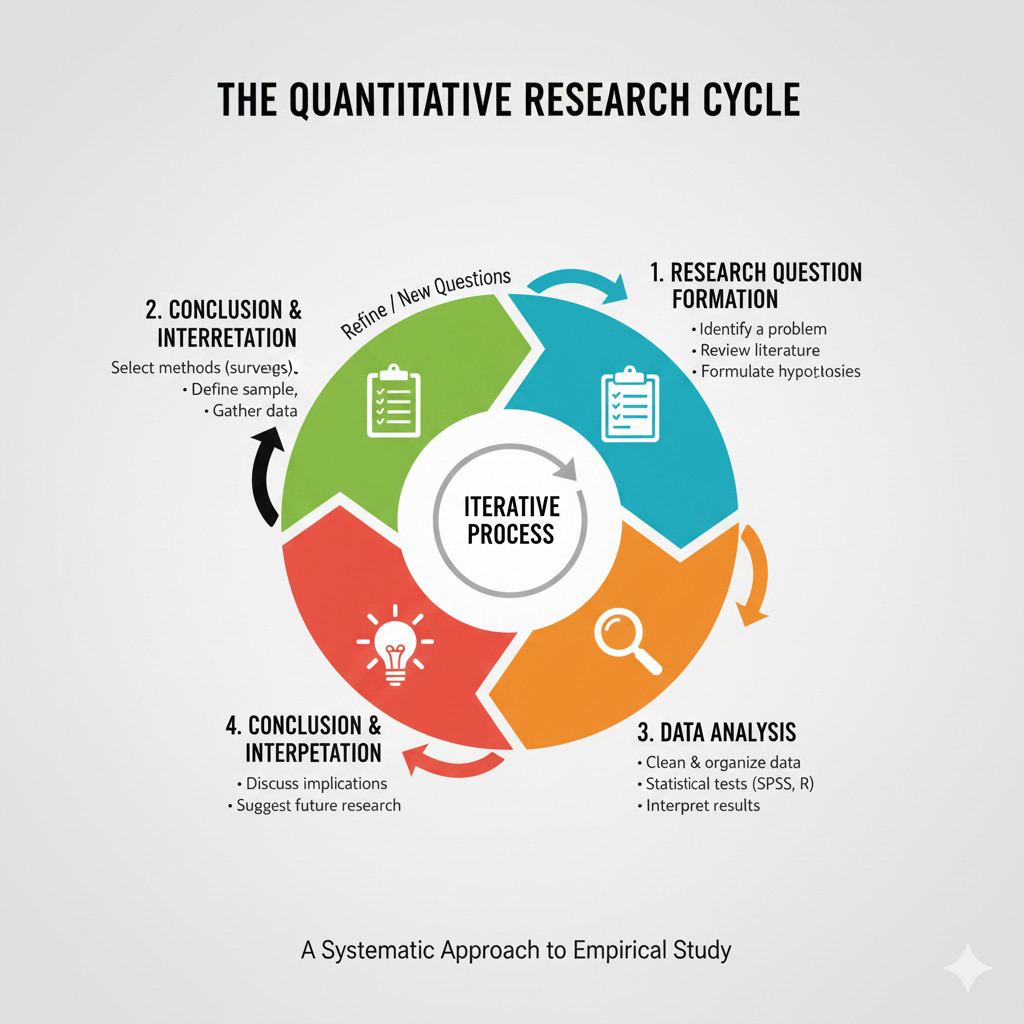
Developing Your Research Question with AI
A good research paper starts with a strong question. AI can help you refine your ideas into something truly compelling.
Try this: Start with a broad topic you’re interested in, then ask an AI tool to help you narrow it down. For example: “I’m interested in climate change impacts on agriculture. Can you help me develop 5 specific research questions that would be appropriate for a 10-page college paper?”
The AI will generate several options, but don’t just pick one blindly. Consider which questions truly interest you and have enough available research. Use the AI’s suggestions as a starting point, then make it your own.
Remember to check with your professor about AI usage policies before getting started.
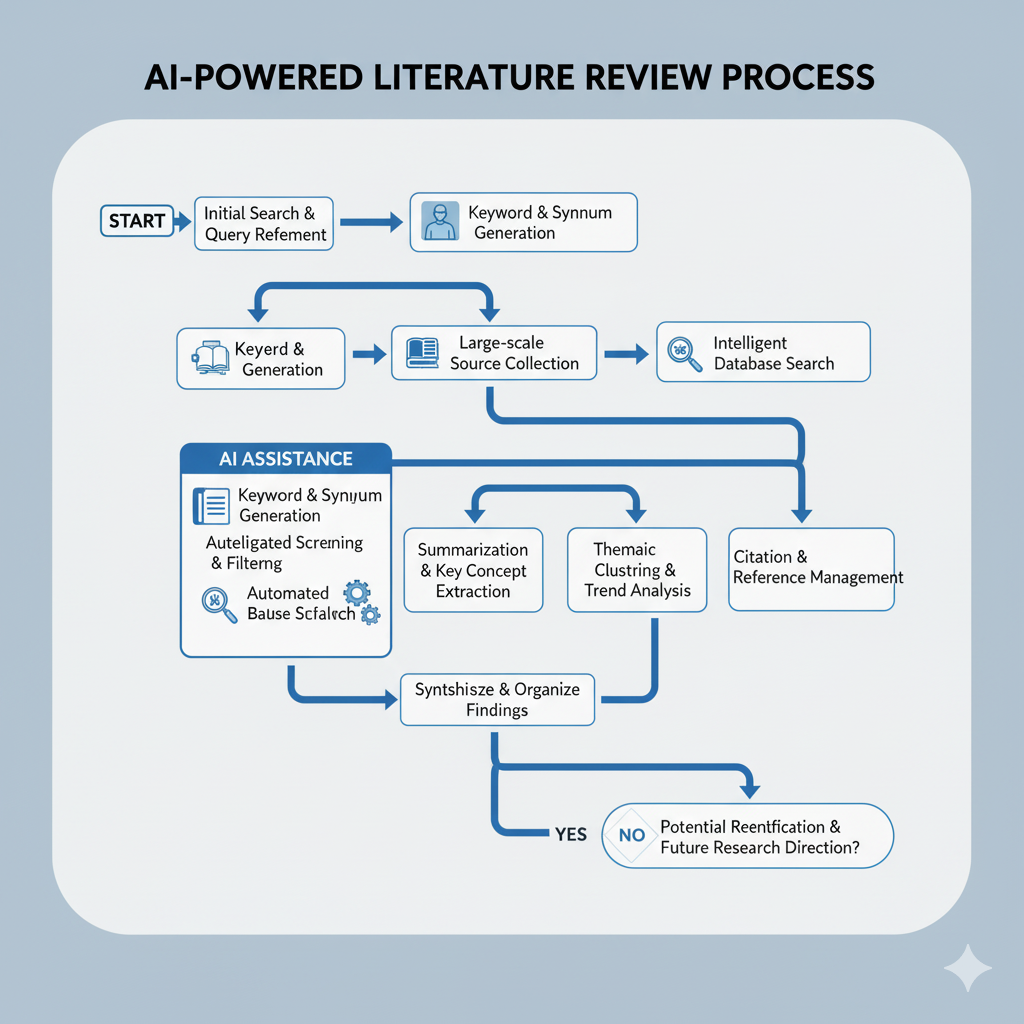
Conducting Literature Reviews with AI Assistance
Literature reviews can be overwhelming. AI tools can help you find relevant sources and understand complex research faster.
Start by asking an AI tool like Consensus or Elicit to find key papers on your topic. For example: “What are the most cited papers on the effects of social media on teenage mental health from the last 5 years?”
Once you have a list of sources, use AI to help summarize the main findings. But always verify the information by checking the actual papers. AI can sometimes make mistakes about specific details or citations.
Pro tip: Use AI to identify gaps in existing research. This can help you position your paper as addressing something new and important.
Organizing Your Research and Creating Outlines
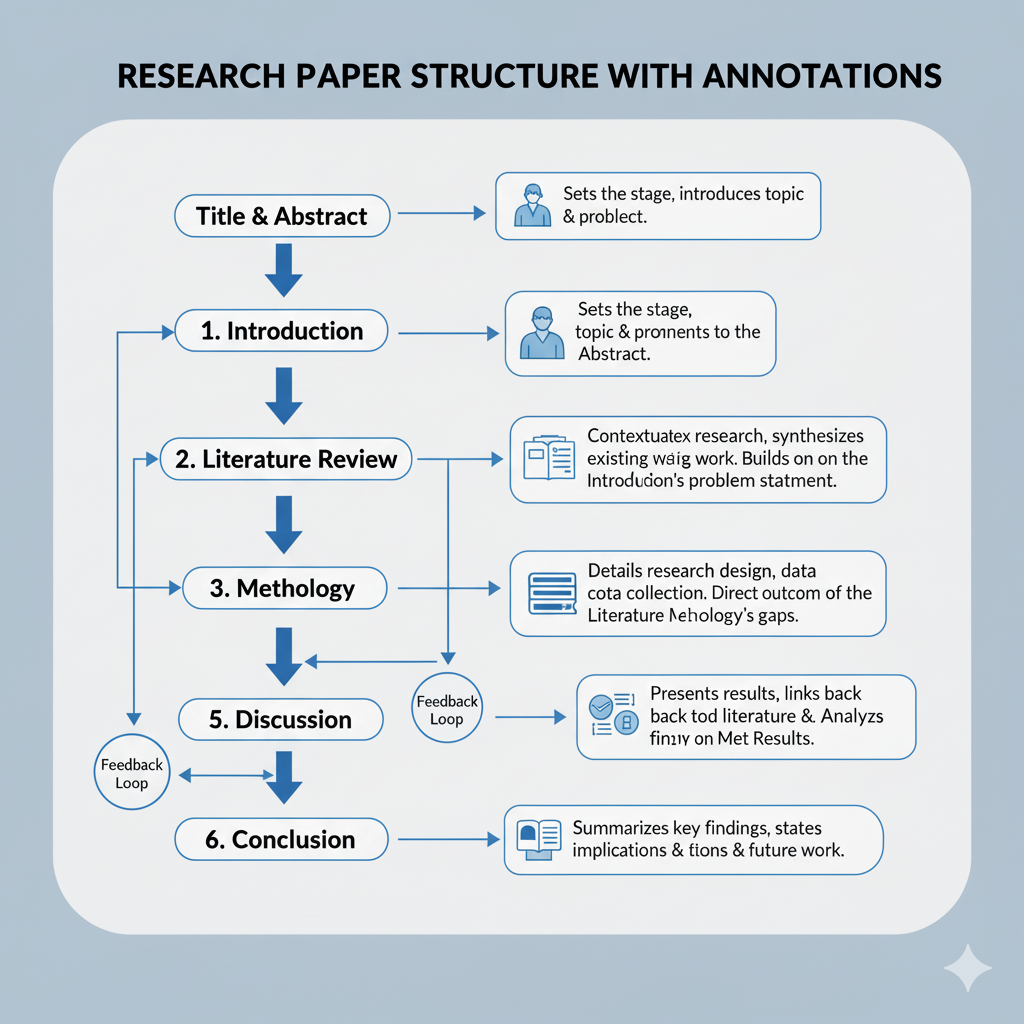
Turning a pile of research into a coherent outline is where many students get stuck. AI can help organize your thoughts logically.
Share your research question and key findings with an AI assistant, then ask it to suggest a logical structure. For example: “Based on these key points about climate change impacts on corn production, can you suggest an outline for my research paper?”
Review the suggested outline carefully. Does it flow logically? Does it cover all your key points? Adjust as needed to make it work for your specific argument.
The best outlines balance comprehensiveness with focus. Use AI to help find that balance, but make the final decisions yourself.
Drafting Your Paper with AI Support
When it’s time to write, AI can help you overcome writer’s block and develop your ideas more fully.
Start by writing sections where you feel most confident. For difficult sections, try describing what you want to say to the AI in simple terms. For example: “I need to explain how rising temperatures affect corn pollination. Here are the key facts from my research: [your facts].”
Use the AI’s response as a starting point, then rewrite it in your own voice. This approach helps you maintain ownership of your work while getting past writing hurdles.
Remember that AI works best when given specific instructions. Instead of asking for “help with my paper,” ask for “help explaining the relationship between variables X and Y based on Professor Smith’s research.”
Citing Sources Correctly and Avoiding Plagiarism
Proper citation is essential for academic integrity. AI can help you format citations correctly, but you need to be careful about accuracy.
Never rely on AI to generate citations from memory. Instead, have your source information ready and ask the AI to format it according to your required style (APA, MLA, Chicago, etc.).
Always double-check AI-generated citations against official style guides. Tools like Zotero with AI plugins can be more reliable for citation management than general-purpose AI.
Most importantly, understand that using AI to help write your paper is generally acceptable (with proper disclosure), but presenting AI-generated content as your own work is considered plagiarism at most institutions.
Editing and Refining Your Paper
Once you have a draft, AI can help you polish your writing to make it clearer and more compelling.
Ask the AI to review your paper for issues like clarity, flow, and coherence. For example: “Can you identify any paragraphs in this section that need better transitions or clearer explanations?”
Use tools like Grammarly to catch grammar and style issues. Then ask a more advanced AI to suggest improvements for complex sentences or unclear explanations.
The best editing happens in stages. First, fix structural issues. Then improve clarity and flow. Finally, polish grammar and style. AI can assist at each stage, but your judgment determines the final product.
Ethical Considerations and Disclosure
Being ethical with AI means being transparent and maintaining academic integrity.
Most universities now have policies about AI use in academic work. Some require disclosure, others have specific limitations. Check your institution’s guidelines before using AI for assignments.
When in doubt, disclose your AI use to your professor. A simple statement like “I used ChatGPT to help brainstorm ideas and check my grammar” is usually sufficient.
Remember that the goal of assignments is to develop your skills. Use AI as a learning tool, not a replacement for developing your own abilities. The best approach is to use AI to enhance your work, not create it for you.
Combining Human Insight with AI Efficiency
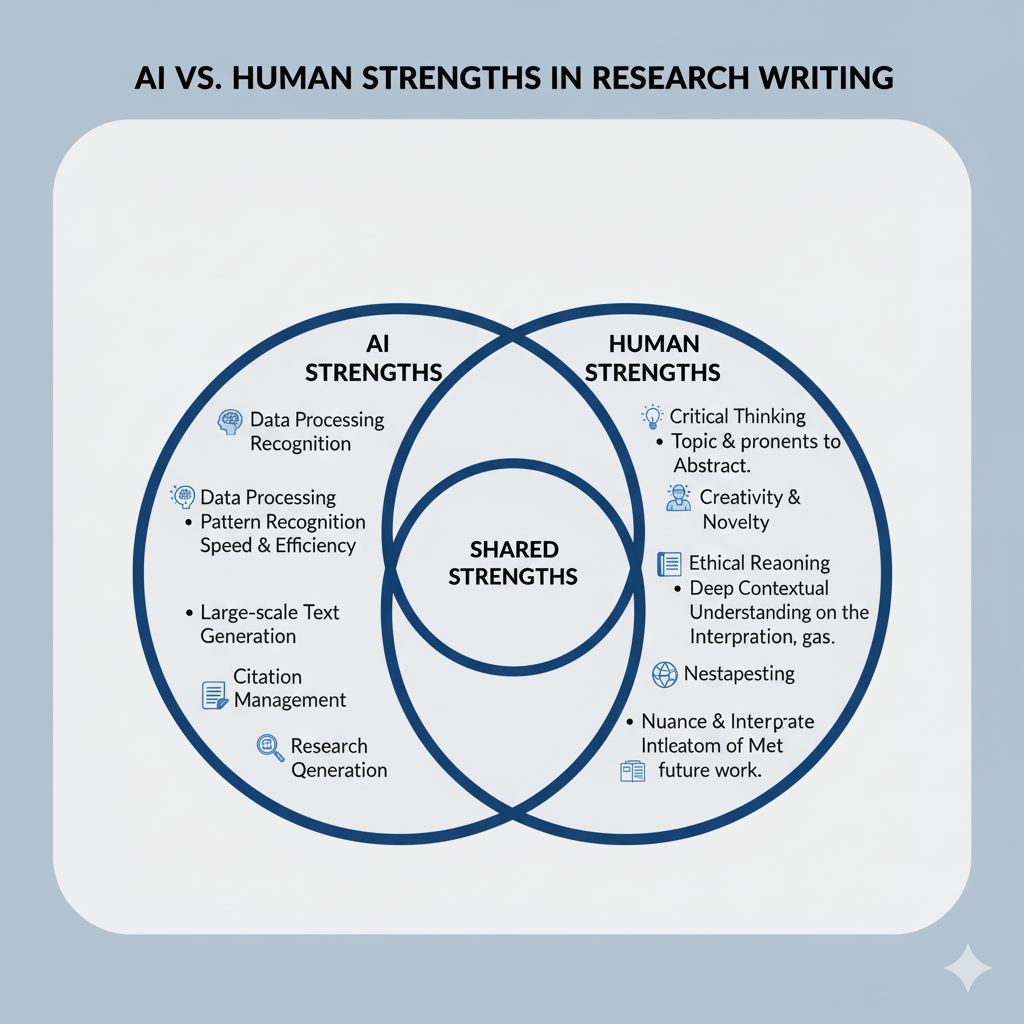
The most successful research papers blend AI efficiency with human creativity and critical thinking.
AI is great at helping you process information, find patterns, and improve writing mechanics. Humans excel at asking meaningful questions, making value judgments, and connecting ideas in novel ways.
Try this approach: Use AI for time-consuming tasks like summarizing research or checking grammar. Save your energy for developing your thesis, analyzing findings critically, and drawing unique conclusions.
The papers that stand out don’t just present information—they offer new perspectives. That’s something only you can bring to your work.
Conclusion: Becoming an AI-Savvy Researcher
Learning to work with AI tools is becoming an essential skill for students. By using these tools thoughtfully, you can produce better research papers while developing valuable digital literacy skills.
Remember that AI is most valuable when it helps you think better, not when it thinks for you. The best researchers use AI to handle routine tasks so they can focus on what matters most—developing original insights and contributing to human knowledge.
Start small, experiment with different tools, and find the approach that works best for you. With practice, you’ll develop a workflow that combines the best of AI assistance with your unique human perspective.
Are you ready to transform your research process? The tools are available—now it’s up to you to use them wisely.